
How to Store Silver Safely in 2026: Home Safe vs Bank Box vs Depository
Buying silver is only the first step. Once you own silver coins, silver bars, or silver rounds, the next question becomes just as important: where should you store it?
Silver is valuable, heavy, and easy to misunderstand from a storage perspective. A few coins may be simple to hide, but a growing silver stack can quickly create security, insurance, privacy, and access questions.
This guide compares the main silver storage options for 2026, including home safes, bank safe deposit boxes, private vaults, depositories, dealer storage, and Silver IRA storage. The goal is to help you choose a storage method that fits your stack size, risk tolerance, and long-term investing plan.
Quick answer: For most beginners, a small silver stack can often be stored in a discreet, quality home safe. As the stack grows, many buyers consider split storage, bank safe deposit boxes, private vaults, or insured depository storage.
Important: This article is for educational purposes only and is not financial, legal, tax, insurance, or security advice. Silver storage decisions can involve personal risk, policy limitations, local rules, and professional storage terms. Always check your insurance policy and speak with qualified professionals when needed.
Quick Answer: Best Ways to Store Silver Safely
The safest way to store silver depends on how much silver you own, how quickly you want access to it, and how much personal security responsibility you are comfortable taking on.
Home Safe
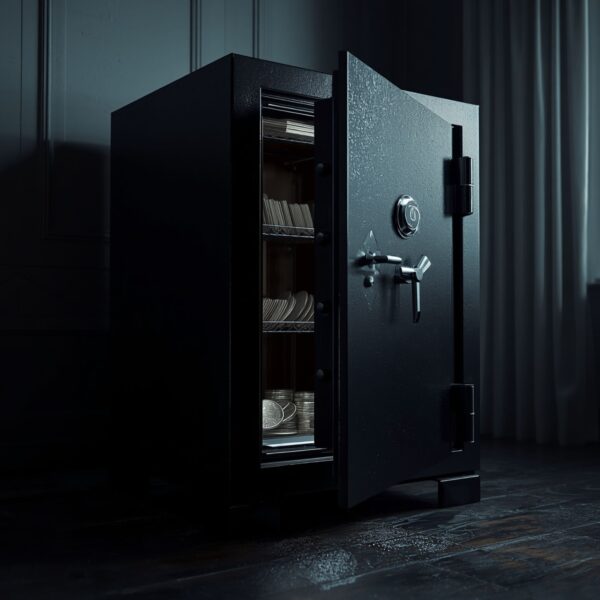
A discreet, properly anchored home safe may be enough for a beginner who owns a manageable amount of silver and wants immediate access.
Split Storage
As your silver grows, splitting storage between home access and outside storage can reduce the risk of keeping everything in one place.
Vault or Depository
A private vault or depository may make sense for larger holdings that need stronger security, documentation, and possible insurance arrangements.
There is no perfect silver storage option. Home storage gives you control and fast access, while professional storage may offer stronger security and documentation. The right answer depends on your personal situation.
Why Silver Storage Matters
Silver is not like a stock in a brokerage account. If you buy physical silver, you are responsible for protecting a real asset. That means thinking about theft, fire, water damage, privacy, access, and resale documentation.
Storage also affects your long-term returns. A cheap storage method that creates theft risk may not be worth it. But an expensive vaulting service may not make sense for a very small silver stack.
Security
Your silver should be protected from theft, careless handling, avoidable exposure, and unnecessary attention.
Access
You need to decide whether fast personal access matters more than professional storage and outside protection.
Insurance
Some storage methods may not be fully covered by standard home insurance without extra arrangements.
Silver Storage Options Compared
| Storage Option | Best For | Main Strength | Main Risk |
|---|---|---|---|
| Home Safe | Small to moderate personal silver stacks | Control and immediate access | Theft, fire, flood, and insurance limits |
| Bank Safe Deposit Box | Buyers who want off-site storage | Separation from home theft risk | Limited access hours and unclear insurance coverage |
| Private Vault | Investors who want professional storage | Specialized security and storage systems | Fees, third-party reliance, and provider terms |
| Depository | Larger stacks and IRA metals | Professional precious metals storage | Storage costs and less immediate access |
| Dealer Storage | Convenience-focused buyers | Easy buy, store, and sell process | Need to understand ownership, fees, access, and terms |
Option 1: Home Safe Storage
Home storage is the most direct option. You buy silver, take delivery, and keep it somewhere you control. This can work well for small to moderate stacks, especially if you value privacy and immediate access.
However, home storage is not as simple as hiding coins in a drawer. If someone knows you own silver, or if your safe is easy to carry away, your storage plan may be weaker than you think.
Pros of Home Storage
- Immediate access to your silver.
- No annual vault or depository fee.
- Full personal control.
- Useful for smaller silver stacks.
- No need to rely on a third-party provider.
Cons of Home Storage
- You are responsible for security.
- Home insurance may not fully cover precious metals.
- Fire, flood, or theft risk still exists.
- Poor privacy can make you a target.
- A weak safe can create false confidence.
Best for: Silver buyers who want direct control and only own a manageable amount of silver.
What to Look for in a Home Safe
A good silver safe should be more than a small lockbox. Look for a safe that is heavy, difficult to move, properly anchored, and suitable for valuables.
Weight and Anchoring
A safe that can be carried away is not much protection. Consider a heavy safe that can be bolted down.
Fire Protection
Fire resistance is useful, especially if you store receipts, documents, capsules, or collectible packaging with your silver.
Discretion
Do not advertise your silver stack. Good storage starts with privacy, limited disclosure, and careful habits.
Option 2: Bank Safe Deposit Box
A bank safe deposit box can move your silver away from your home, which may reduce some household theft risk. For certain buyers, that separation is attractive.
But safe deposit boxes also have limitations. You may only access the box during bank hours, and insurance coverage is not automatic in many cases. You should read the bank’s agreement carefully and confirm whether your silver is covered.
Pros of a Bank Box
- Off-site storage away from your home.
- May be affordable for smaller amounts.
- Useful for people who dislike home storage.
- Less visible than keeping silver at home.
Cons of a Bank Box
- Access may be limited to bank hours.
- Insurance may require separate coverage.
- Not ideal if you want emergency access.
- Box rules vary by bank and location.
Best for: Buyers who want off-site storage but are not ready for a private vault or depository.
Option 3: Private Vault or Depository
Private vaults and depositories are designed for higher-value storage. They may offer professional security, inventory documentation, reporting, and insurance arrangements.
This type of storage can make sense when your silver stack becomes too large or too valuable to comfortably keep at home.
Pros of Vault Storage
- Professional precious metals storage.
- Potential insurance arrangements.
- Useful for larger silver stacks.
- May provide inventory records and reporting.
- Can reduce the pressure of storing high-value metals at home.
Cons of Vault Storage
- Annual storage fees may apply.
- Less immediate access than home storage.
- You rely on a third-party provider.
- Terms, audits, insurance, and withdrawal rules should be reviewed carefully.
Best for: Investors with larger silver holdings who want professional storage and stronger security systems.
Storage and verification: Good storage can help protect your silver and keep it easier to identify later. Keep records, packaging, and product details together, and learn how to tell if silver is real before buying or selling.
Allocated vs Unallocated Silver Storage
If you use a vault or depository, one of the most important terms to understand is whether your storage is allocated, segregated, or unallocated.
| Storage Type | What It Means | Why It Matters |
|---|---|---|
| Allocated Storage | Your specific coins or bars are identified and assigned to you. | Often preferred by investors who want clearer ownership of specific metal. |
| Segregated Storage | Your metals may be stored separately from other customers’ metals. | Usually costs more, but may offer added clarity and separation. |
| Unallocated Storage | You have a claim to metal, but not necessarily specific bars or coins. | May have lower fees but can create more counterparty questions. |
Storage Tip: Know What You Actually Own
If you are paying for professional storage, understand exactly whether your silver is allocated, segregated, insured, audited, and redeemable. Do not rely only on marketing language. Read the storage agreement and ask questions before committing.
Silver IRA Storage Rules
Silver held inside a Silver IRA is different from silver you personally own outside of retirement accounts. IRA-owned metals generally require a qualified custodian or trustee arrangement and approved storage.
This is why investors should be cautious with “home storage IRA” claims. If you personally take possession of IRA-owned silver, it may create tax and distribution consequences.
For a deeper comparison, read our guide on Silver IRA vs Physical Silver.
How Much Silver Should You Store at Home?
There is no universal number that fits everyone. The answer depends on your home security, insurance coverage, privacy, comfort level, and total silver value.
A beginner with a few coins has a very different storage problem than someone with multiple heavy boxes of silver bars. The more your stack grows, the more serious your storage plan needs to become.
Small Silver Stack
A small amount may be manageable with a discreet, secure home storage plan and good privacy habits.
Growing Silver Stack
As your silver grows, consider stronger security, better documentation, and possibly splitting storage.
Large Silver Stack
Professional vaulting or depository storage may become more practical as the value and weight increase.
Insurance: The Part Many Silver Buyers Forget
Many buyers focus on the safe but forget insurance. Standard home insurance may limit coverage for precious metals, coins, cash-like assets, or collectibles.
Before assuming your silver is covered, check your policy. You may need a scheduled personal property rider, specialty insurance, or storage through an insured vault provider.
Documentation Checklist
Keep receipts, dealer invoices, order confirmations, photos, product descriptions, bar serial numbers where available, appraisals if needed, and any vault or depository records. Documentation can matter if you ever need to prove ownership, sell your silver, or file a claim.
How to Store Silver Coins vs Silver Bars
Silver coins and silver bars can both be stored safely, but they are slightly different from a practical standpoint.
Coins are easier to divide, organize, and sell in small amounts. Bars are more space-efficient, especially as your stack grows. If you are still deciding which one to buy, read our beginner guide: Silver Coins vs Silver Bars: Which Is Better for Beginners in 2026?
Storing Silver Coins
- Use tubes, capsules, or clearly labeled boxes.
- Keep collectible coins protected from scratches.
- Separate common bullion coins from higher-premium pieces.
- Keep purchase records organized by coin type and date.
Storing Silver Bars
- Record bar weights, brands, and serial numbers when available.
- Keep bars dry and protected from careless handling.
- Use sturdy boxes because silver gets heavy quickly.
- Avoid stacking so much weight that shelves or containers fail.
Silver Storage Mistakes to Avoid
Talking Too Much
Privacy matters. The fewer people who know about your silver, the better. A good storage plan starts with discretion.
Using a Weak Safe
A light lockbox can be carried away. Storage should slow down a thief, not help them move everything faster.
Ignoring Insurance
Do not assume your home policy automatically covers a valuable silver stack. Check the details before there is a problem.
Keeping Poor Records
Save receipts, photos, product details, order numbers, and bar serial numbers when available.
Storing Everything Together
Splitting storage can reduce the risk of losing everything in one event, especially as your silver grows.
Forgetting Liquidity
Your silver should be secure, but you should also know how you would access it or sell it later if needed.
Best Silver Storage Option by Investor Type
| Investor Type | Storage Option to Consider | Why It May Fit |
|---|---|---|
| New Buyer | Small home safe | Simple, direct, and easy to understand for a small silver stack. |
| Privacy-Focused Buyer | Discreet home storage plus strong privacy habits | Keeps access close while reducing unnecessary attention. |
| Growing Stacker | Split storage | Reduces the risk of keeping all silver in one place. |
| Large Investor | Private vault or depository | Professional storage may be more practical for higher values. |
| Silver IRA Investor | Approved custodian/depository arrangement | IRA metals generally need to follow retirement-account storage rules. |
Should You Split Your Silver Storage?
Some investors choose to split silver storage instead of keeping everything in one place. This can reduce the risk of one theft, fire, flood, or access problem affecting the entire stack.
For example, a buyer might keep a small amount of silver at home for immediate access and store the rest in a bank box, private vault, or depository. This is not necessary for everyone, but it can become more useful as your stack grows.
Beginner rule: The bigger your silver position becomes, the more important it is to think beyond hiding it. Storage should include security, insurance, documentation, privacy, and a realistic plan for future resale.
Final Verdict: How Should You Store Silver Safely?
If you own a small amount of silver and value quick access, a discreet, properly secured home safe may be enough. But as your stack grows, you should think more seriously about insurance, privacy, documentation, and whether part of your silver should be stored outside the home.
For larger silver holdings, a private vault or depository may provide stronger security and better documentation, but it also adds fees and third-party reliance. For Silver IRA metals, approved custodian or trustee storage rules are generally part of the structure.
The best silver storage strategy is not just about hiding metal. It is about building a practical system that protects your silver, preserves your privacy, keeps records organized, and still allows you to access or sell your silver when needed.
Storage and resale go together: How you store silver can affect how easy it is to verify, organize, and sell later. If you ever decide to liquidate part of your stack, read our beginner guide on where to sell silver in 2026.
FAQs About Storing Silver Safely
What is the safest way to store silver?
The safest method depends on how much silver you own. Small stacks may be manageable in a quality home safe, while larger holdings may be better suited for a private vault or depository.
Should I store silver at home?
Home storage can work for smaller amounts if you have a secure safe, good privacy habits, and proper documentation. It may become less practical as your silver stack grows.
Are bank safe deposit boxes good for silver?
Bank safe deposit boxes can provide off-site storage, but access may be limited and insurance may not be automatic. Always check the bank’s rules and your coverage.
What is allocated silver storage?
Allocated storage means specific silver bars or coins are assigned to you. This is different from unallocated storage, where you may have a claim to metal but not specific pieces.
Can I store Silver IRA metals at home?
Silver held inside an IRA generally must follow custodian or trustee storage rules. Personal possession of IRA-owned metals may create tax issues, so review this carefully with a qualified professional.
Does home insurance cover silver?
Not always. Standard policies may limit coverage for precious metals, coins, or collectibles. Check your policy and ask about extra coverage if needed.
Should I split my silver storage?
Some investors split storage to reduce the risk of keeping everything in one place. This can make sense as your silver stack grows.
What records should I keep for stored silver?
Keep receipts, invoices, photos, product descriptions, bar serial numbers where available, storage records, insurance details, and any vault or depository documentation.