
How Much Silver Should Beginners Own in 2026? A Simple Guide
If you are new to physical silver, one of the first questions you may ask is simple: how much silver should beginners own?
The honest answer is that there is no perfect number for everyone. Some beginners start with a few silver coins. Others build toward a small stack over time. The right amount depends on your budget, comfort level, storage situation, financial goals, and how well you understand the risks of owning physical precious metals.
This guide explains how beginners can think about silver ownership in 2026 without rushing, overbuying, or treating silver like a guaranteed path to wealth.
Quick answer: Beginners should usually start small, focus on learning first, and only buy an amount of silver they can afford to hold comfortably. A simple beginner approach is to build slowly with recognizable silver coins, rounds, or small bars while keeping silver as only one part of a broader financial plan.
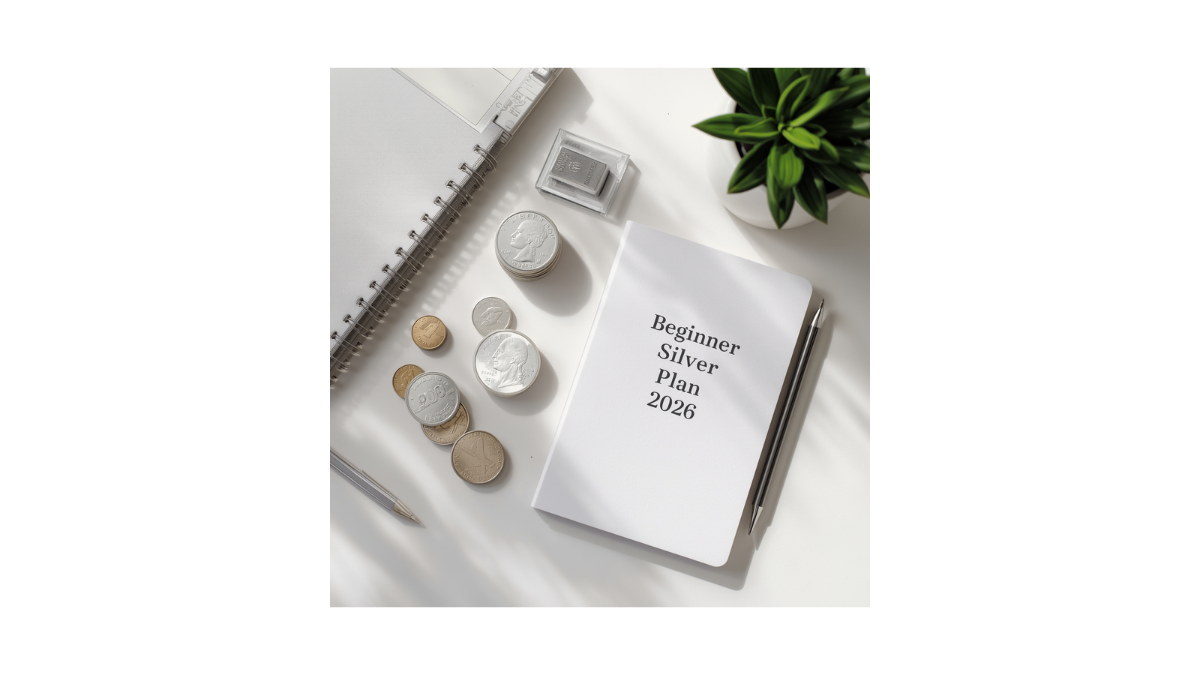
Why Beginners Ask How Much Silver They Should Own
Silver is attractive to many beginners because it feels simple. You can hold it in your hand, store it outside the banking system, and buy it in small amounts compared with gold. A single silver coin or round is usually much more affordable than a one-ounce gold coin, which makes silver feel accessible to new buyers.
But that accessibility can also create a problem. Because silver is easier to buy in small pieces, beginners may be tempted to keep buying without a clear plan. They may focus only on the number of ounces they own instead of thinking about premiums, storage, liquidity, and whether silver fits their overall financial picture.
Before deciding how much silver to own, beginners should first understand the basics of buying safely, comparing products, and avoiding overpriced silver. If you are still learning where to buy from, start with our guide to the Best Silver Dealers in 2026.
There Is No Perfect Amount of Silver for Everyone
One beginner may only want a few silver coins as a long-term store of value. Another may want a small emergency stack. Another may be interested in silver as part of a broader precious metals strategy. Those are different goals, so they should not all lead to the same amount of silver.
The better question is not “What is the magic number of ounces?” The better question is: “How much silver can I own comfortably without hurting my cash flow, emergency savings, or ability to handle normal expenses?”
Beginners should decide how much they can afford before deciding how many ounces to buy. This helps prevent emotional buying when silver prices move.
It is better to own a smaller amount of silver you understand than a larger stack bought quickly without comparing premiums, products, and resale options.
Physical silver takes space. Larger amounts require more planning for secure storage, insurance, and organization.
A Simple Beginner Silver Ownership Framework
Instead of chasing a random number, beginners can think in stages. This makes silver ownership easier to manage and helps reduce the chance of overbuying too early.
| Beginner Stage | Possible Goal | What It Means | Best Beginner Focus |
|---|---|---|---|
| Starter Stage | Learn the basics | You buy a small amount to understand premiums, shipping, dealer reputation, and product types. | Recognizable 1 oz coins, rounds, or small bars. |
| Comfort Stage | Build slowly | You add silver over time without rushing or risking money needed for bills, savings, or emergencies. | Consistent purchases from reputable dealers. |
| Planning Stage | Fit silver into a wider plan | You decide whether silver should remain a small hobby, a savings hedge, or part of a broader investment mix. | Storage, resale, taxes, and long-term strategy. |
Should Beginners Think in Dollars or Ounces?
Beginners often ask, “How many ounces of silver should I own?” But a better starting point is usually the dollar amount you can afford to put into silver without stress.
Silver prices change. Premiums change. Shipping costs change. A fixed dollar budget can help you avoid buying too much just because you are trying to reach a certain ounce target.
For example, one beginner may set aside a small monthly amount and buy when they find a fair price from a reputable dealer. Another may buy a few coins at a time. Another may wait until they can place a larger order to reduce shipping costs. None of these approaches is automatically right or wrong. The key is buying intentionally.
Beginner translation
Think of silver as something to build slowly, not something to rush into. A small, thoughtful silver stack is usually better than a large, emotional purchase made without understanding premiums, resale, and storage.
How Much Silver Is Too Much for a Beginner?
Silver may be too much for a beginner when it starts creating stress instead of confidence. If buying silver prevents you from paying bills, maintaining emergency savings, reducing high-interest debt, or handling basic expenses, then the amount is probably too high.
Physical silver is also not as instantly flexible as cash. You may need to find a buyer, compare buyback prices, ship it, visit a local coin shop, or accept a lower price than the retail price you paid. That is why beginners should avoid treating silver as money they may need next week.
Another sign of overbuying is when a beginner only focuses on ounces and ignores the total delivered cost. The final cost of silver can include the spot price, product premium, payment fees, shipping, insurance, and sometimes sales tax depending on location.
If you are still learning how premiums work, read our beginner guide to Silver Spot Price vs Premium before making larger purchases.
Coins, Bars, or Rounds: What Should a Beginner Own First?
For many beginners, recognizable silver coins are the easiest starting point. Popular government-minted coins such as American Silver Eagles, Canadian Silver Maple Leafs, and other well-known bullion coins are widely recognized, easier to understand, and often easier to resell.
That does not mean silver bars are bad. Bars can be useful for buyers who want more silver weight for the money because bars often carry lower premiums than popular coins. However, larger bars may be less flexible if you ever want to sell only a small amount.
Rounds can sit somewhere in the middle. They are often cheaper than government coins but may not have the same recognition. For beginners, the safest path is usually to stick with simple, common products from reputable dealers instead of unusual collectibles or obscure private-mint items.
For a deeper breakdown, read our guide on Silver Coins vs Silver Bars. If you are deciding between two famous silver coins, compare Silver Eagle vs Maple Leaf.
| Silver Type | Beginner Benefit | Possible Drawback | Best For |
|---|---|---|---|
| Silver Coins | Recognizable, trusted, often easier to resell. | Usually higher premiums. | Beginners who value simplicity and liquidity. |
| Silver Bars | Often lower cost per ounce. | Larger bars can be less flexible to sell in small amounts. | Buyers building more weight over time. |
| Silver Rounds | Often cheaper than government coins. | May have less recognition than official bullion coins. | Budget-focused buyers using trusted dealers. |
Should Silver Be a Small Part of a Bigger Plan?
For most beginners, silver should be viewed as one part of a broader financial picture, not the entire plan. Physical silver can have benefits, but it also has limitations. It does not pay interest, it does not produce income, and its price can move up and down.
That is why many cautious buyers keep silver as a smaller portion of their overall savings or investment approach. They may also keep emergency cash, retirement accounts, diversified investments, or other assets separate from their silver stack.
The goal is balance. Silver can be useful, but it should not create financial pressure. Beginners should avoid going “all in” because precious metals can be volatile, premiums can change, and resale prices may not match retail purchase prices.
If you are still deciding whether silver belongs in your plan at all, read Is Silver a Good Investment in 2026?.
Storage Matters More as Your Silver Stack Grows
A few silver coins are easy to store. A larger silver stack requires more thought. Silver is bulkier than gold for the same dollar value, so storage can become a real issue as your holdings grow.
Beginners should think about privacy, security, moisture protection, organization, and whether insurance is needed. You should also keep purchase records, invoices, product details, and photos where appropriate. These records can help with resale, personal tracking, and tax documentation.
Watch Out for High-Pressure Silver Sales Tactics
Beginners should be especially careful with sales pitches that make silver sound risk-free, urgent, or guaranteed. Reputable silver dealers may advertise products, but they should not need to pressure you with fear, secret opportunities, or unrealistic profit claims.
The Commodity Futures Trading Commission warns consumers about precious metals fraud, including misleading promises tied to gold, silver, platinum, and palladium. The Federal Trade Commission also advises consumers to be cautious with investment scams, especially when sellers use pressure, promises, or questionable claims.
A good rule for beginners is simple: if a silver offer feels rushed, confusing, secretive, or too good to be true, pause before buying.
Beginner Mistakes to Avoid When Building a Silver Stack
Buying physical silver can be simple, but beginners still make common mistakes. Avoiding these mistakes can be just as important as deciding how much silver to own.
- Buying too much too fast: Start slowly and learn how premiums, shipping, and resale work.
- Ignoring the total delivered cost: Always compare the final checkout price, not just the product price.
- Overpaying for collectibles: Rare, graded, or collectible coins may not be ideal for beginners who mainly want silver weight.
- Using unknown sellers: Stick with reputable dealers, especially when you are new.
- Forgetting storage: Plan where and how you will store your silver before buying larger amounts.
- Treating silver like guaranteed profit: Silver prices can rise or fall, and physical products often include premiums and spreads.
If you want a safety-focused buying checklist, read How to Buy Silver Online Safely in 2026.
What About Taxes When Selling Silver?
Taxes are another reason beginners should keep good records. In the United States, the IRS treats certain collectibles differently from many other capital assets. The IRS explains that net capital gains from selling collectibles such as coins may be taxed at a maximum 28% rate.
Tax rules can depend on your country, state, holding period, product type, and personal situation. This is why beginners should keep invoices and speak with a qualified tax professional if they are unsure how silver sales may be treated.
How Beginners Can Build Silver Slowly
One of the simplest beginner strategies is to buy gradually instead of trying to build a large stack immediately. This can help reduce stress and give you time to learn what products you prefer.
You might begin with a few widely recognized coins or rounds. Then, as you become more comfortable, you can compare premiums, try small bars, learn dealer buyback policies, and decide whether silver still fits your goals.
The U.S. Mint is one example of an official source beginners can use to learn more about American Eagle coins and official bullion coin programs. Official mint websites can help beginners understand product basics before comparing retail dealer prices.
Final Takeaway: How Much Silver Should Beginners Own?
Beginners should own only as much silver as they can afford, understand, store safely, and hold without financial stress. There is no universal ounce target that works for everyone.
A smart beginner approach is to start small, buy recognizable products, compare premiums carefully, use reputable dealers, keep records, and build slowly over time. Silver can be useful, but it should fit your life — not pressure it.
When you are ready to compare trusted buying options, start with our guide to the Best Silver Dealers in 2026.
Planning ahead: Before building a larger silver stack, it also helps to understand your exit options. Learn the safest beginner-friendly options in our guide to where to sell silver in 2026.
Frequently Asked Questions
How much silver should a beginner buy first?
A beginner may want to start with a small amount, such as a few recognizable one-ounce silver coins, rounds, or small bars. The exact amount depends on budget, goals, and comfort level. It is better to start small and learn than to buy too much too quickly.
Is 10 ounces of silver enough for a beginner?
Ten ounces can be a reasonable learning amount for some beginners, but it is not a rule. For some people, even one or two ounces may be enough to start. Others may build more over time. The best amount is one that does not create financial stress.
Should beginners buy silver coins or silver bars?
Silver coins are often easier for beginners because they are recognizable and usually easier to resell. Silver bars can offer lower premiums per ounce, especially in larger sizes, but they may be less flexible when selling small amounts.
Should I put all my savings into silver?
No. Beginners should not put all their savings into silver. Physical silver can be useful, but it does not pay income, prices can fall, and selling may involve spreads or fees. Silver should usually be only one part of a broader financial plan.
How much of my portfolio should be in silver?
There is no perfect percentage for everyone. Some investors keep precious metals as a small part of their overall plan, while others avoid them completely. Your decision should depend on your risk tolerance, goals, emergency savings, and personal financial situation.
Is silver good for beginners in 2026?
Silver can be beginner-friendly because it is affordable compared with gold and available in small units. However, beginners should understand premiums, storage, dealer reputation, taxes, and resale before buying.
What is the safest way to start buying silver?
The safest beginner approach is to start small, use reputable dealers, compare the final delivered price, avoid high-pressure sales tactics, and choose simple products such as widely recognized silver coins, rounds, or small bars.
Can I lose money buying silver?
Yes. Silver prices can fall, premiums can shrink, and resale prices may be lower than the retail price you paid. Beginners should avoid assuming silver is risk-free or guaranteed to increase in value.