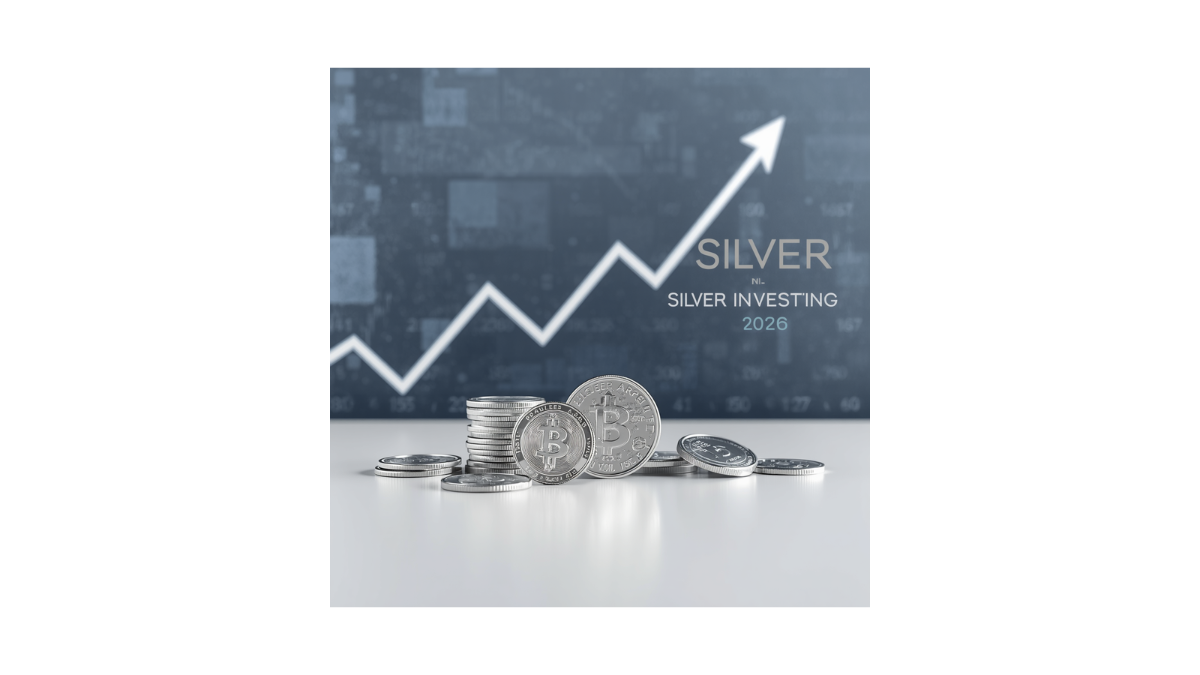
Is Silver a Good Investment in 2026? Pros, Cons & Risks
Silver can be exciting, affordable, and surprisingly powerful during precious metals rallies. But it can also be volatile, emotional, and easy to overpay for if you do not understand the risks.
Silver is one of those investments that can make people feel like they discovered a secret before the crowd. It is cheaper per ounce than gold, used in modern industry, connected to inflation fears, and easy to understand at a basic level: real metal, real demand, real scarcity concerns.
But that simple story can become dangerous when silver starts moving fast. Many beginners see a rising silver chart and assume the only question is, “How much should I buy?” A better question is, “Does silver fit my goals, my risk tolerance, and my buying strategy?”
That is what this guide will answer. We will look at the benefits of investing in silver in 2026, the major risks, the difference between physical silver and paper silver, and how beginners can think about silver without getting trapped by hype.
Quick Navigation
Quick Answer: Is Silver a Good Investment in 2026?
Silver can be a good investment in 2026 for people who want exposure to precious metals, inflation protection, industrial demand, and potential upside during a strong commodity cycle. But silver is not automatically a good investment for everyone.
The biggest mistake is treating silver like a guaranteed wealth machine. Silver can rise sharply, but it can also fall sharply. It is often more volatile than gold, and physical buyers must pay close attention to premiums, storage, and resale value.
Good For
Long-term precious metals exposure, diversification, inflation concerns, and investors who understand volatility.
Use Caution
Silver can move quickly. Timing, premiums, product choice, and position size matter more than beginners often realize.
Risky For
Short-term buyers chasing hype, people using money they need soon, or anyone expecting guaranteed returns.
Why Investors Buy Silver
Investors usually buy silver for three main reasons: protection, upside, and diversification.
Some people buy silver because they worry about inflation, currency weakness, or the long-term purchasing power of cash. In that sense, silver is often viewed as a hard asset — something real that cannot be printed like paper money.
Other investors buy silver because they believe demand will grow over time. Silver is used in electronics, solar panels, electrical systems, medical applications, automotive technology, and other industries. That makes silver different from gold, which is mainly valued as a monetary and jewelry metal.
Then there are investors who simply want diversification. They do not want all of their wealth tied to stocks, cash, real estate, or one currency. Silver can offer another layer of exposure, especially for people who prefer tangible assets.
Silver’s Two Personalities
Silver is part precious metal and part industrial metal. This is what makes it interesting, but also what makes it unpredictable. It can react to inflation fears like gold, but it can also react to economic cycles like an industrial commodity.
Pros of Investing in Silver in 2026
1. Silver Is More Affordable Than Gold
One reason silver attracts beginners is that it feels more accessible than gold. A single ounce of gold can be expensive, while silver allows smaller buyers to build exposure gradually.
This affordability can make silver useful for people who want to start investing in precious metals without committing a large amount of money at once. It also makes silver easier to buy in stages, which can help reduce the pressure of trying to time the market perfectly.
2. Silver Has Real Industrial Demand
Silver is not just stored in vaults or worn as jewelry. It has practical uses across modern technology. Its high conductivity makes it valuable in electronics, solar energy, electrical contacts, batteries, and other industrial applications.
This industrial demand can support the long-term silver story. If electrification, solar energy, and advanced manufacturing continue expanding, silver may remain important to the global economy.
3. Silver Can Benefit From Inflation Concerns
When people worry that cash is losing purchasing power, precious metals often receive more attention. Gold usually leads the conversation, but silver can benefit too.
Silver has historically been viewed by many investors as a store-of-value asset during periods of financial stress. It is not perfect protection, and it does not always move the way people expect, but it remains part of the hard-asset conversation.
4. Silver Can Move Faster Than Gold
Silver’s smaller market size can make it more explosive than gold during strong precious metals rallies. When investor demand rises quickly, silver can sometimes move with surprising speed.
That upside potential is one reason silver attracts aggressive investors. But the same feature that creates upside can also create downside. Silver can run fast, and it can fall fast too.
5. Physical Silver Is Tangible
Some investors like physical silver because they can hold it directly. Coins and bars do not depend on a brokerage account, trading app, or digital platform in the same way a financial asset does.
This tangible quality appeals to people who want a real-world asset outside the traditional financial system. However, physical ownership also comes with responsibilities, including storage, security, insurance, and careful buying.
6. Silver Can Diversify a Portfolio
Silver can add a different kind of exposure to a portfolio. It does not behave exactly like stocks, bonds, cash, or real estate.
That does not mean silver always rises when other assets fall. It simply means silver has its own drivers. For some investors, that makes it useful as one piece of a broader plan.
Cons and Risks of Investing in Silver
Silver has a strong story, but it is not a risk-free investment. In fact, silver can be one of the more emotional precious metals because price moves can become dramatic very quickly.
1. Silver Is Very Volatile
Silver can rise sharply, but it can also correct sharply. This is one of the biggest differences between silver and the way many beginners imagine precious metals.
A person may buy silver for long-term protection, but still watch the price swing violently in the short term. That can lead to emotional decisions, especially if the buyer entered during a hype-driven rally.
2. Physical Silver Premiums Can Be High
The silver spot price is not always the price you pay for real coins and bars. Physical products usually include premiums, and those premiums can widen when demand is strong or inventory is tight.
This is why physical buyers need to compare the real delivered cost, not just the spot price. For a deeper breakdown, read our guide on silver spot price vs premium.
3. Silver Requires Storage and Security
Physical silver takes up more space than gold because it is less expensive per ounce. A meaningful silver position can become heavy, bulky, and harder to store safely.
Buyers need to think about where they will keep their silver, how they will protect it, and whether they need insurance. These details are not exciting, but they matter.
4. Silver Does Not Produce Income
Silver does not pay dividends, interest, or rent. It only creates a return if the price rises and you sell at a profit.
This makes silver different from income-producing assets like dividend stocks, bonds, or rental properties. For some investors, that is fine. For others, it may be a drawback.
5. Industrial Demand Can Weaken
Silver’s industrial demand is a strength during growth cycles, but it can become a weakness if manufacturing slows or companies reduce silver usage because prices are too high.
For example, solar demand can support silver, but manufacturers also look for ways to use less silver when costs rise. That means high prices can eventually encourage substitution or thriftier use.
6. FOMO Can Lead to Bad Buying Decisions
Many people ignore silver when it is boring, then rush in when it becomes exciting. That is usually backward.
Buying during emotional spikes can expose investors to sharp pullbacks. A good silver strategy should be planned before the market becomes dramatic, not during the most exciting part of the rally.
Physical Silver vs ETFs vs Mining Stocks
Before deciding whether silver is a good investment, you need to understand that there are different ways to invest in silver. Each one has different advantages and risks.
| Silver Investment Type | Best For | Main Benefits | Main Risks |
|---|---|---|---|
| Physical Silver Coins | Buyers who want recognizable, tangible silver. | Easy to understand, widely recognized, often easier to resell. | Higher premiums, storage needs, possible dealer spreads. |
| Physical Silver Bars | Buyers who want more ounces for the money. | Often lower premiums than popular coins. | Less flexible resale depending on size and brand. |
| Silver ETFs | Investors who want easy trading exposure. | Simple to buy and sell through brokerage accounts. | No direct possession of metal, fund fees, market structure risks. |
| Silver Mining Stocks | Investors seeking leveraged exposure to silver prices. | Can outperform silver during strong bull markets. | Company risk, management risk, mining costs, political risk. |
| Silver IRA | Retirement investors wanting precious metals exposure. | Can hold approved silver within a retirement structure. | Fees, rules, storage requirements, custodian limitations. |
Silver vs Gold: Which Is Better in 2026?
Silver and gold are often grouped together, but they are not the same investment.
Gold is usually viewed as the more stable precious metal. It is widely held by central banks, major institutions, and long-term investors. Silver is usually more volatile, more industrial, and more sensitive to bursts of investor enthusiasm.
That means silver may offer more upside during a strong precious metals rally, but it may also come with deeper corrections. Gold may feel more stable, while silver may feel more explosive.
Gold May Be Better If…
You want a more established safe-haven asset, lower volatility, and a simpler store-of-value role.
Silver May Be Better If…
You want more upside potential, industrial demand exposure, and a more affordable entry point.
For many investors, the answer is not silver or gold. It may be a combination of both, depending on goals and risk tolerance.
Who Silver May Be Right For in 2026
Silver may make sense for certain investors, but it is not right for everyone.
Silver May Be Right For You If:
- You want some exposure to precious metals.
- You understand that silver can be volatile.
- You are not using money you need for bills or emergencies.
- You are willing to compare premiums before buying physical silver.
- You can store physical silver safely.
- You are comfortable holding through price swings.
- You see silver as part of a broader plan, not your entire strategy.
Silver May Not Be Right For You If:
- You need guaranteed returns.
- You panic during price drops.
- You are buying only because social media says silver will explode.
- You do not understand premiums, spreads, or resale value.
- You need income from your investments.
- You are planning to sell quickly if the price moves against you.
How Beginners Can Start Carefully
If you are new to silver, the safest mindset is not “go all in.” The safer mindset is “learn, compare, and build slowly.”
1. Decide Why You Are Buying
Are you buying silver for inflation protection, long-term diversification, emergency savings, price speculation, or collecting? Your reason matters because it affects what type of silver you should buy and how long you may need to hold it.
2. Learn the Difference Between Spot Price and Premium
Before buying physical silver, understand that the spot price is only the starting point. The premium, shipping, taxes, and payment method can all affect your real cost.
Our guide to silver spot price vs premium explains this in more detail.
3. Avoid Buying During Pure Panic or Hype
Silver can become emotional very quickly. When everyone is suddenly talking about silver, premiums may rise and buyers may rush without comparing prices.
That does not mean you should never buy during a strong market. It simply means you should slow down, compare offers, and avoid letting urgency make the decision for you.
4. Consider Buying in Stages
Some buyers reduce timing stress by spreading purchases over time. This does not guarantee profit, but it can make the process less emotional.
Instead of trying to pick the perfect bottom, staged buying focuses on building a position carefully.
5. Keep Records
Track what you bought, when you bought it, your total cost, and where you bought it. This helps you understand your average price and makes future selling or tax reporting easier.
If you decide to buy physical silver, make sure you understand how to buy silver online safely in 2026 before placing your first order.
What About Silver Price Predictions?
Silver price predictions can be useful, but they should not be treated as certainty. Forecasts change as inflation data, interest rates, industrial demand, currency movements, and investor sentiment change.
In 2026, silver has a strong market story because of supply concerns, investment demand, and industrial use. But there are also real risks from volatility, profit-taking, demand weakness, and high premiums.
For a broader forecast breakdown, read our full silver price prediction for 2026. For a more real-time example of how market models react during a major move, see our silver AI analysis.
Final Verdict: Is Silver a Good Investment in 2026?
Silver can be a good investment in 2026, but only for the right type of buyer.
It may make sense for investors who want precious metals exposure, understand volatility, and are willing to think carefully about premiums, storage, and timing. It may also appeal to people who believe silver’s industrial and monetary roles will remain important over time.
But silver is not a magic solution. It does not pay income. It can fall sharply. Physical silver can be expensive to buy if premiums are high. And emotional buying during a fast-moving rally can lead to poor results.
The smartest silver investors do not just ask, “Will silver go up?” They ask better questions: “What am I buying? What am I paying above spot? How long can I hold? What would make me sell? And how much risk can I actually handle?”
Frequently Asked Questions About Investing in Silver in 2026
Is silver a good investment in 2026?
Silver can be a good investment in 2026 for people who want exposure to precious metals, inflation protection, diversification, and industrial demand. However, it is volatile and should not be treated as a guaranteed investment.
Is silver safer than gold?
Silver is generally considered more volatile than gold. Gold is often viewed as the more stable precious metal, while silver may offer more upside potential but also sharper price swings.
Should beginners buy silver coins or bars?
Beginners often prefer widely recognized silver coins because they can be easier to understand and resell. Silver bars may offer lower premiums, but resale depends on size, brand, and buyer trust.
Can silver reach $100 in 2026?
Silver could reach $100 in a bullish scenario if investment demand rises, supply stays tight, and precious metals remain strong. However, silver is volatile, and a move toward $100 could include sharp corrections.
What is the biggest risk of buying silver?
The biggest risks are volatility, overpaying during hype, high physical premiums, storage concerns, and buying without a clear plan. Silver can be a strong asset and still be a poor purchase if bought emotionally.
Is physical silver better than a silver ETF?
Physical silver gives direct ownership of coins or bars, while silver ETFs are usually easier to trade. Physical silver may appeal to people who want tangible metal, while ETFs may appeal to investors who prefer convenience and liquidity.
How much silver should I own?
There is no one-size-fits-all answer. The right amount depends on your goals, income, emergency savings, risk tolerance, and overall portfolio. Silver should usually be considered one part of a broader financial plan.
Research Notes and Sources
This article was written using publicly available market research and commentary from sources including the Silver Institute, J.P. Morgan market outlook material, LBMA-related market commentary, Kitco spot price data, and broader precious metals reporting. Silver forecasts and market conditions can change quickly, so readers should always check current data before making decisions.
Next Reads
Before buying physical silver, make sure you understand the difference between the chart price and the real price buyers pay.
Read next: Silver Spot Price vs Premium — What Buyers Really Pay
For the broader market outlook, read: Silver Price Prediction 2026: What Could Push Silver Higher or Lower?
You can also compare this with our real-time AI market analysis: Silver at $75.51: What the AI Models Say Now