Silver Price Prediction 2026: What Could Push Silver Higher or Lower?
Silver has moved from a quiet precious metal to one of the most watched markets in the world. But after such a powerful run, the real question is not just how high silver can go. The real question is what could keep pushing it higher — and what could suddenly knock it back down.
Silver has always had a strange personality. One moment, it behaves like a precious metal. The next, it behaves like an industrial commodity. Then, just when investors think they understand it, silver can explode higher or collapse lower with shocking speed.
That is what makes a 2026 silver price prediction difficult. Silver is not driven by one simple factor. It is pulled between inflation fears, Federal Reserve policy, industrial demand, physical supply, investor psychology, currency movements, solar demand, electronics demand, ETF flows, and the very real emotional force of fear and greed.
So instead of pretending there is one perfect price target, this guide breaks silver down the right way: what could push silver higher, what could drag it lower, and what realistic price scenarios investors should understand before chasing the next big move.
Quick Navigation
Quick Answer: Where Could Silver Go in 2026?
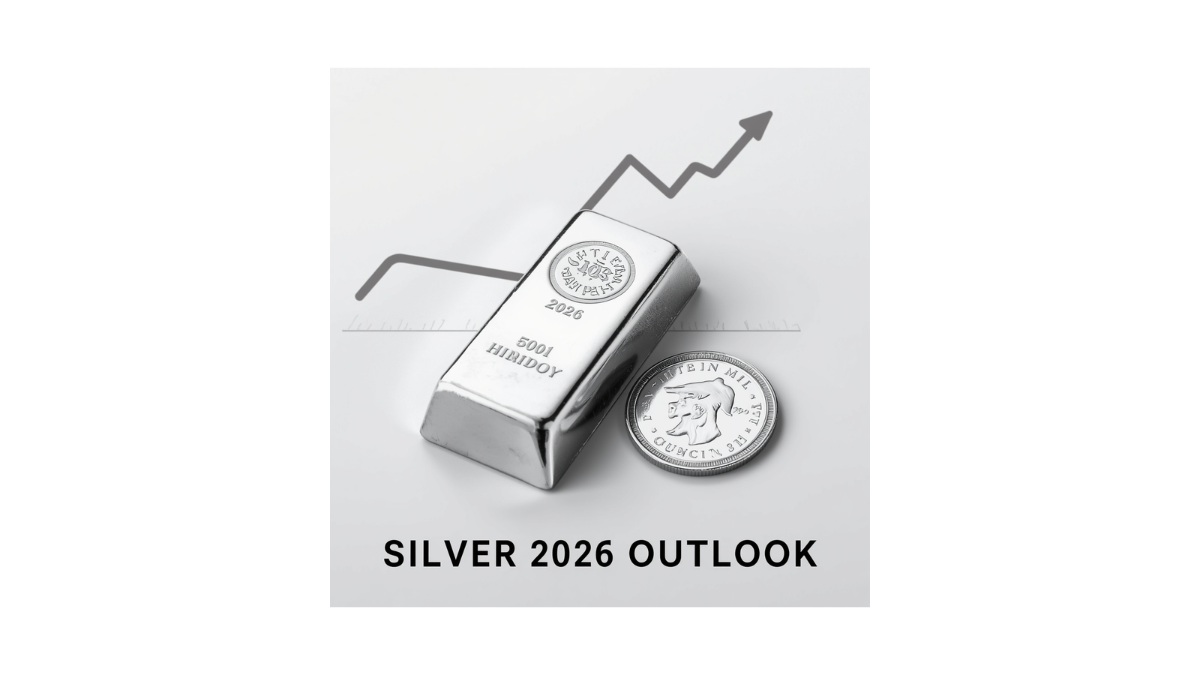
A realistic 2026 silver price outlook should include three possible paths: a conservative pullback scenario, a base-case volatile range, and a bullish breakout scenario.
Bearish Scenario
Possible range: $55–$65/oz
This could happen if silver becomes overbought, industrial demand cools, the dollar strengthens, or investors take profits after a strong run.
Base Scenario
Possible range: $70–$90/oz
This is the middle-ground case where silver remains supported by tight supply, but volatility keeps the market from moving in a straight line.
Bullish Scenario
Possible range: $100+/oz
This could happen if investment demand surges, physical supply tightens further, inflation fears return, or a silver squeeze narrative takes hold.
Why Silver Matters Right Now
Silver is not just “poor man’s gold.” That phrase gets repeated often, but it misses the real story. Silver has two identities at the same time.
First, silver is a monetary metal. Investors often buy it when they are worried about inflation, currency weakness, banking stress, government debt, or the long-term value of paper money. In this role, silver can move with gold and attract safe-haven demand.
Second, silver is an industrial metal. It is used in electronics, solar panels, electrical contacts, medical applications, automotive systems, and other technologies. That means silver is also exposed to manufacturing cycles, green energy demand, and global economic growth.
This dual role is what makes silver so powerful — and so unpredictable. Gold is mostly a monetary and safe-haven asset. Copper is mostly an industrial metal. Silver sits in the middle, which means it can benefit from both fear and growth.
The Big 2026 Silver Question
The key question for 2026 is simple: will silver behave more like a precious metal, more like an industrial metal, or both at the same time?
If investors rush into hard assets while industrial demand stays strong, silver could move aggressively higher. But if industrial demand weakens while investors take profits, silver could correct sharply even if the long-term story remains intact.
What Could Push Silver Higher in 2026?
1. A Continuing Silver Supply Deficit
One of the strongest bullish arguments for silver is the supply-demand imbalance. When demand exceeds supply for multiple years, the market has to draw from above-ground inventories. Over time, that can make the physical market tighter.
A deficit does not guarantee silver will rise every month. Markets can stay messy for a long time. But persistent deficits can create the foundation for a stronger long-term price trend, especially if investment demand suddenly increases.
2. Strong Investment Demand
Silver does not need industrial demand alone to rise. Investment demand can change the picture very quickly.
When investors buy silver coins, bars, ETFs, or other silver-backed products, they remove available supply from the market. If enough investors do this at the same time, especially during a period of already tight supply, silver can become extremely volatile.
This is why silver sometimes makes explosive moves. The market is smaller than gold, so a wave of investor interest can have a larger price impact.
3. Inflation and Currency Concerns
Silver often attracts attention when people begin worrying about the purchasing power of currency. If inflation stays sticky, government debt concerns rise, or confidence in paper assets weakens, hard assets can come back into focus.
Silver tends to appeal to investors who want precious metals exposure but feel gold has already become expensive. That does not mean silver is “cheap” automatically, but it does mean silver can attract late-cycle attention when precious metals are already moving.
4. A Strong Gold Market
Silver often follows gold, but with more drama. When gold is strong, silver can eventually play catch-up. This is especially true when investors start looking at the gold-to-silver ratio and asking whether silver is undervalued relative to gold.
If gold stays elevated or continues making new highs, silver may benefit from spillover demand. Some investors who missed gold’s early move may turn to silver as the next opportunity.
5. Solar, Electronics, and Industrial Demand
Silver is one of the most electrically conductive metals on earth, which makes it valuable in many modern technologies. Solar panels, electronics, electric systems, and advanced manufacturing all use silver in different ways.
Industrial demand can support the long-term silver story, especially if global electrification and clean energy investment continue. However, investors need to remember that high silver prices can also encourage manufacturers to reduce usage where possible.
The Bullish Case in One Sentence
If silver remains in deficit, investment demand rises, gold stays strong, and physical supply tightens, silver could continue to surprise the market on the upside in 2026.
What Could Pull Silver Lower in 2026?
Silver has a strong bullish story, but pretending there are no risks would be a mistake. Silver is famous for sharp rallies and brutal corrections.
1. Silver Becomes Too Overbought Too Fast
When silver runs too far too quickly, short-term traders often start taking profits. Momentum buyers can turn into sellers almost overnight. That is why parabolic silver moves can be exciting but dangerous.
A pullback after a major rally does not automatically destroy the long-term trend. In fact, healthy bull markets often include violent corrections. But buyers who enter during emotional spikes can still suffer painful short-term losses.
2. Industrial Demand Weakens
Silver’s industrial role is a strength, but it can also become a weakness. If manufacturing slows, solar demand cools, or companies find ways to reduce silver usage because prices are too high, industrial demand could soften.
This matters because silver is not just a safe-haven metal. If the global economy weakens sharply, silver may feel pressure from the industrial side of the market even if some investors are still buying it as protection.
3. A Stronger U.S. Dollar
Silver is typically priced in U.S. dollars. When the dollar strengthens, silver can become more expensive for buyers using other currencies. That can reduce demand and pressure prices.
A stronger dollar can also signal tighter financial conditions, which often creates headwinds for commodities and precious metals.
4. Higher Interest Rates or Fewer Rate Cuts
Silver does not pay interest. That means it can become less attractive when cash, bonds, or other yield-producing assets offer better returns.
If markets expect interest rates to stay higher for longer, silver could face pressure. On the other hand, if rate-cut expectations return, silver could regain support.
5. Retail FOMO and Bad Timing
One of the biggest risks in silver is not the metal itself. It is investor behavior.
When silver is quiet, many people ignore it. When silver starts rising quickly, everyone suddenly wants in. That emotional buying can push prices higher in the short term, but it can also leave late buyers exposed when the market cools.
Silver Price Scenarios for 2026
No silver forecast is guaranteed. The smarter approach is to think in scenarios rather than one magic number.
| Scenario | Possible Silver Range | What Could Cause It? | Investor Mindset |
|---|---|---|---|
| Bearish Pullback | $55–$65/oz | Profit-taking, stronger dollar, weaker industrial demand, less investor excitement. | Be patient. Avoid assuming every dip is automatically a bargain. |
| Base Case Volatility | $70–$90/oz | Deficits support prices, but corrections and consolidation continue. | Expect volatility. Focus on premiums, timing, and position size. |
| Bullish Breakout | $100+/oz | Investment demand surges, physical supply tightens, gold remains strong, inflation fears return. | Do not chase blindly. Have a plan before the market becomes emotional. |
The base-case scenario may be the most realistic because silver rarely moves in a clean, gentle line. It often surges, corrects, consolidates, and then chooses a new direction.
That means the big opportunity in 2026 may not simply be “buy silver.” The real opportunity may be understanding the difference between silver’s long-term trend and its short-term emotional swings.
What This Means for Physical Silver Buyers
Physical silver buyers need to watch more than the spot price. The price you see on a chart is not always the price you pay for real coins and bars. For a deeper breakdown, read our guide on silver spot price vs premium.
Physical silver usually includes a premium. This premium can rise when demand is strong, dealer inventory is tight, or popular coins become harder to find. During emotional markets, premiums can widen even if the spot price pauses.
Spot Price vs. Real-World Price
If silver spot is moving quickly, physical buyers should compare premiums carefully. A lower spot price does not always mean a better deal if premiums are unusually high.
Before buying, compare the total delivered price, including premium, shipping, taxes, and any payment fees.
Coins vs. Bars in a Volatile Silver Market
Silver coins may be easier to sell later, especially well-known government coins. However, they often carry higher premiums. Silver bars may offer more ounces for the money, but resale can depend on brand recognition, size, and buyer trust.
In a fast-moving market, the best choice is not always the product with the lowest sticker price. The better choice is usually the product with a fair premium, strong liquidity, and a clear exit path if you ever decide to sell.
Should You Wait for a Pullback?
There is no perfect answer. If silver continues higher, waiting can feel frustrating. If silver corrects, buying too early can feel painful.
Many cautious buyers use a staged approach. Instead of buying everything at once, they split purchases into smaller amounts over time. This does not guarantee profit, but it can reduce the pressure of trying to pick the perfect entry point.
How AI Models Might Read Silver in 2026
AI models can be useful for organizing silver market signals, but they should not be treated like fortune tellers. A good silver analysis model would likely watch several different categories at once. You can see a real-time example in our silver at $75.51 AI analysis.
Momentum Signals
Is silver rising with strong trend confirmation, or is the move becoming stretched and overbought?
Supply Signals
Are deficits, inventories, and physical market tightness supporting the price?
Sentiment Signals
Are investors calmly accumulating, or is retail FOMO driving emotional buying?
The best use of AI is not to ask, “What exact price will silver hit?” A better question is, “Which signals are confirming the trend, and which signals are warning that risk is rising?”
That approach is especially useful for silver because the market can remain bullish while still becoming dangerously overheated in the short term.
Final Verdict: Is Silver Still Bullish for 2026?
The 2026 silver outlook remains constructive, but not risk-free. The bullish case is supported by tight supply, strong investor interest, silver’s industrial role, and the possibility of continued precious metals demand.
However, silver is not a calm asset. It can move violently in both directions. The same volatility that creates upside excitement can also create painful pullbacks.
For long-term investors, the key is not to get hypnotized by one price target. The key is to understand the forces behind the move: supply deficits, physical premiums, industrial demand, gold strength, currency pressure, and investor psychology.
If silver breaks higher in 2026, it will probably not happen in a straight line. If silver pulls back, it may not mean the long-term story is broken. The smartest silver buyers will watch both the opportunity and the risk.
Frequently Asked Questions About Silver Price Predictions for 2026
What is the silver price prediction for 2026?
A realistic 2026 silver outlook should include multiple scenarios. A conservative pullback could take silver toward the $55–$65 range, a base-case volatile market could keep it around $70–$90, and a bullish breakout could push silver above $100 if investment demand and physical tightness accelerate.
Can silver reach $100 in 2026?
Silver can reach $100 in a bullish scenario, especially if investment demand rises, supply remains tight, gold stays strong, and inflation concerns return. However, silver would likely remain volatile, and a move toward $100 could include sharp pullbacks along the way.
Why is silver so volatile?
Silver is volatile because it is both a precious metal and an industrial metal. It reacts to inflation, interest rates, investor sentiment, industrial demand, currency movements, and physical supply conditions. The silver market is also smaller than the gold market, which can make price moves more dramatic.
Is physical silver better than silver ETFs?
Physical silver gives buyers direct ownership of coins or bars, but it comes with premiums, storage concerns, and resale considerations. Silver ETFs may be easier to trade, but they do not provide the same experience as holding physical metal. The better choice depends on your goals, risk tolerance, and investment style.
Should I buy silver now or wait?
There is no perfect answer. If you are concerned about buying during a spike, a staged approach may help. Some buyers split purchases over time instead of trying to pick one perfect entry price. This can reduce emotional decision-making in a volatile market.
What is the biggest risk for silver in 2026?
The biggest risk is a combination of overbought prices, profit-taking, weaker industrial demand, and emotional retail buying. Silver can have a strong long-term outlook and still suffer sharp short-term corrections.
Research Notes and Sources
This article was written using publicly available market research and commentary from sources including the Silver Institute, Reuters, LBMA, and J.P. Morgan market outlook material. Silver forecasts can change quickly, so readers should always check current market data before making decisions.
Next Read
Silver’s spot price is only one part of the real-world buying decision. If you are buying physical silver, premiums can change what you actually pay.
Read next: Silver Spot Price vs Premium — What Buyers Really Pay
You can also compare this broader outlook with our real-time AI market analysis here: Silver at $75.51: What the AI Models Say Now