Silver Bullion vs Numismatic Coins: What Beginners Should Know in 2026
If you are new to buying silver, one of the most confusing choices is understanding the difference between silver bullion and numismatic coins. Both may contain silver. Both may look valuable. Both may be sold by coin shops, dealers, and online marketplaces.
But they are not the same thing.
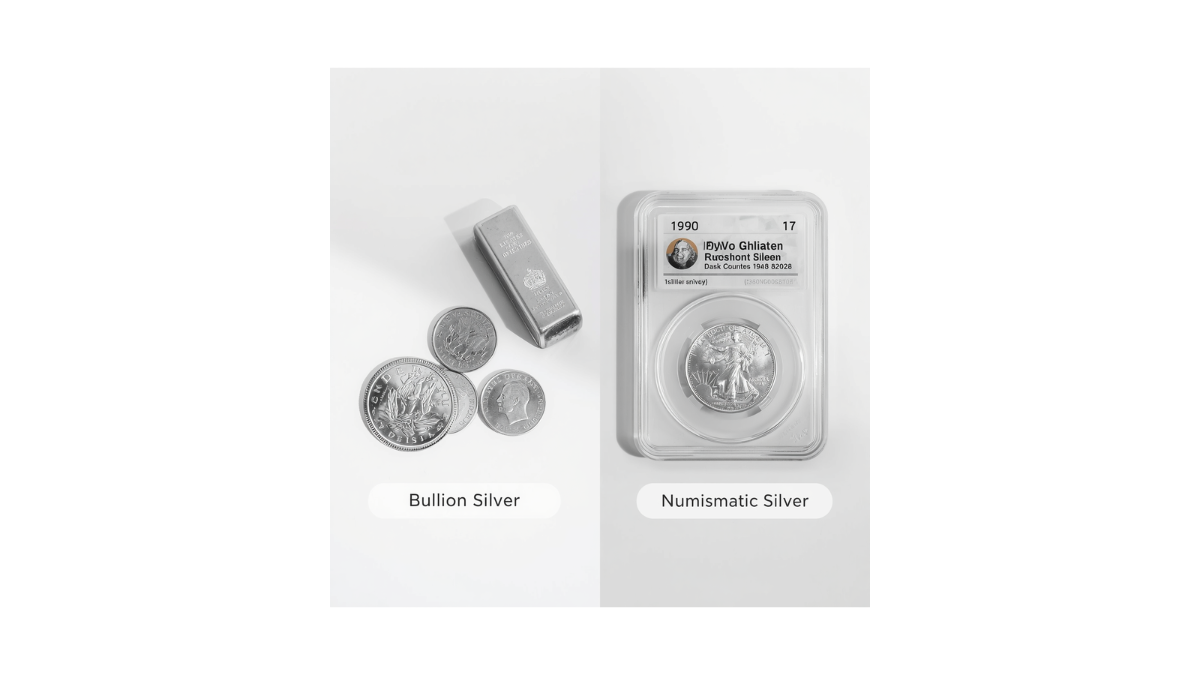
Silver bullion is usually bought mainly for its metal content. Numismatic coins are usually valued for more than just silver. Their price may depend on age, rarity, condition, grade, collector demand, and historical interest.
This guide explains silver bullion vs numismatic coins, how they are priced, what risks to watch for, and which option may make more sense for someone just starting in 2026.
Quick answer: Silver bullion is usually simpler for beginners because it is mainly priced around silver content plus a dealer premium. Numismatic coins can be interesting, but they require more knowledge because value depends on collector demand, grade, rarity, and condition. Beginners who are focused on stacking silver usually start with bullion before exploring collectible coins.
Important: This article is for educational purposes only and is not financial advice. Bullion and collectible coins can both fluctuate in value. For rare coins, graded coins, or large purchases, consider doing extra research or getting professional verification.
What Is Silver Bullion?
Silver bullion refers to silver products that are primarily valued for their precious metal content. This can include silver coins, bars, and rounds. The main idea is simple: you are buying silver by weight, usually measured in troy ounces.
Common examples of silver bullion include:
- 1 oz silver bullion coins
- Silver bars
- Generic silver rounds
- Government-minted bullion coins
- Privately minted silver products from recognized mints
A bullion coin may have a legal tender face value, but that face value is usually far below the actual metal value. For example, many well-known silver bullion coins have a stamped currency value, but buyers care much more about the silver content, purity, recognition, and resale demand.
If you are still comparing basic silver product types, you may also want to read our guide on Silver Coins vs Silver Bars.
What Are Numismatic Silver Coins?
Numismatic silver coins are collectible coins. Their value may include silver content, but the price can also be influenced by factors that have little to do with the current silver spot price.
Numismatic value may depend on:
- Rarity
- Year and mint mark
- Historical importance
- Condition
- Professional grading
- Collector demand
- Population reports
- Eye appeal
- Auction history
This is why two silver coins with similar metal content can have very different prices. One may trade close to its silver melt value, while another may sell for hundreds or even thousands of dollars because collectors want it.
Beginner warning: A coin being old does not automatically make it valuable. A coin being shiny does not automatically make it rare. And a coin being expensive does not automatically make it a good deal.
Silver Bullion vs Numismatic Coins: Main Differences
The easiest way to understand the difference is to compare what you are really paying for.
| Feature | Silver Bullion | Numismatic Coins |
|---|---|---|
| Main value | Silver content, purity, weight, and market demand. | Rarity, grade, condition, history, and collector demand. |
| Pricing | Usually based on silver spot price plus a premium. | May trade far above melt value. |
| Beginner difficulty | Usually easier to understand. | More complex and research-heavy. |
| Resale | Often easier if the product is widely recognized. | Can depend heavily on finding the right collector or dealer. |
| Risk of overpaying | Usually tied to high premiums or poor dealer pricing. | Higher if the buyer does not understand grading and rarity. |
| Best for | Beginners focused on silver stacking or metal exposure. | Collectors with coin knowledge and patience. |
Why Bullion Is Usually Simpler for Beginners
For most beginners, bullion is easier to understand because the price is more closely connected to the silver spot price. You still need to understand premiums, shipping, taxes, and dealer spreads, but the basic idea is clearer.
If silver is trading at a certain spot price, a silver bullion product will usually cost spot plus a premium. That premium covers minting, distribution, dealer markup, demand, and sometimes brand recognition.
That does not mean bullion is always cheap. Premiums can vary a lot, especially between coins, rounds, and bars. But at least the buyer can compare prices more directly.
If you are still learning how premiums work, read our full guide on Silver Spot Price vs Premium.
Simple beginner rule: If your goal is to build a basic silver stack, focus first on recognized bullion products with clear weight, purity, and transparent pricing.
Why Numismatic Coins Can Be Riskier for Beginners
Numismatic coins are not bad. Many collectors love them, and rare coins can be fascinating. The problem is that numismatic coins are easier to misunderstand.
A beginner may see a coin described as “rare,” “limited,” “graded,” “historic,” or “collector quality” and assume it must be a better investment than regular bullion. But those words do not guarantee that the coin is fairly priced or easy to resell.
With numismatic silver, you need to ask deeper questions:
- How much silver does the coin actually contain?
- What is the melt value?
- How much above melt am I paying?
- Is the grade from a respected grading company?
- Is there real collector demand for this coin?
- Can I verify recent sale prices?
- Would a dealer actually buy it back near this price?
Without those answers, it is easy to confuse a collectible story with real resale value.
Because collectible coin pricing can be harder for beginners to judge, it is worth learning the warning signs before buying. See our guide to Silver Dealer Red Flags.
Melt Value vs Collector Value
One of the most important beginner concepts is the difference between melt value and collector value.
Melt value is the value of the silver inside the coin based on weight and purity. It does not care about the coin’s history, condition, or rarity. It simply asks: how much silver is inside?
Collector value is the extra amount someone may pay because the coin has numismatic appeal. This can be based on rarity, grade, date, mint mark, demand, or historical importance.
For example, a common silver coin may be worth close to its silver melt value. But a rare coin in excellent condition may sell for far more than its melt value because collectors are paying for more than the silver.
Important: Paying above melt value is not automatically bad. But beginners should understand why they are paying above melt value before buying.
For bullion coins and bars, the silver content is often the starting point for value. To understand this better, see our guide to Silver Melt Value Explained.
Premiums Are Not the Same for Bullion and Numismatic Coins
All physical silver usually has some kind of premium above spot. But bullion premiums and numismatic premiums are different.
A bullion premium is usually tied to product type, minting cost, supply, demand, dealer markup, and recognition. For example, a popular government-minted silver coin may have a higher premium than a generic silver round.
A numismatic premium is more complex. It may be based on rarity, grade, collector demand, and auction history. That can make pricing less predictable for beginners.
This is why a beginner should be careful when comparing a regular 1 oz bullion coin with a collectible silver coin. They may both contain silver, but the pricing logic is not the same.
Which Is Easier to Sell?
In many cases, widely recognized bullion is easier for beginners to sell because more dealers and buyers understand what it is. A common silver bar, round, or well-known bullion coin can usually be priced quickly based on weight, purity, and current silver market conditions.
Numismatic coins may require a more specialized buyer. A local dealer may offer less than expected if they do not have strong demand for that specific coin. Online auctions may bring higher prices, but they also involve fees, shipping, grading questions, and more work.
If resale matters to you, read our beginner guide on Where to Sell Silver in 2026.
Common Beginner Mistakes
1. Assuming “rare” means valuable
Some sellers use words like rare, limited, exclusive, or collectible very loosely. A coin may be marketed as special, but that does not mean buyers are willing to pay a strong resale price for it.
2. Ignoring melt value
Before buying a collectible silver coin, beginners should understand how much silver is actually inside it. If the coin sells for far above melt value, you should know what justifies the extra cost.
3. Buying from pressure-based sales pitches
Be careful with sellers who make you feel rushed. High-pressure precious metals sales tactics are a major red flag, especially when the seller claims prices will explode soon or that you must act immediately.
4. Confusing graded coins with guaranteed profit
A graded coin may be easier to authenticate and compare, but grading does not guarantee future profit. The coin still needs real market demand at the price you are paying.
5. Not checking buyback value
Before buying expensive collectible silver, ask what similar coins actually sell for and what a dealer would likely pay if you needed to sell.
When Bullion May Be the Better Choice
Silver bullion may be the better choice if you:
- Are new to silver
- Want a simpler buying process
- Care mainly about silver content
- Want easier price comparisons
- Prefer widely recognized products
- Do not want to study coin grading yet
- Want to avoid paying large collector premiums
For many beginners, bullion is the cleaner starting point. You can learn about spot price, premiums, storage, resale, and dealer reputation before moving into more specialized collecting.
For safe buying basics, read How to Buy Silver Online Safely.
When Numismatic Coins May Make Sense
Numismatic coins may make sense if you genuinely enjoy coin collecting and are willing to learn the market. They can be interesting, beautiful, and historically meaningful.
They may be worth exploring if you:
- Enjoy researching coin history
- Understand grading basics
- Can compare recent sale prices
- Know how to check authenticity
- Are not relying only on silver spot price
- Are comfortable with longer resale timelines
- Buy from trusted dealers or auction sources
In other words, numismatic coins are not just a silver purchase. They are also a collectibles purchase. That can be rewarding, but it requires more knowledge.
Red Flags Before Buying Numismatic Silver
Before buying a collectible silver coin, slow down if you notice any of these red flags:
- The seller says the coin is “guaranteed” to rise in value.
- The coin is marketed with fear-based language.
- The seller refuses to explain the melt value.
- The price is far above melt but the reason is unclear.
- The coin has no clear grading or authentication.
- The seller discourages comparison shopping.
- The buyback policy is vague.
- The seller rushes you to buy today.
If you are unsure whether a silver coin is genuine, read our guide on How to Tell If Silver Is Real.
Beginner Buying Checklist
Before buying either silver bullion or numismatic coins, use this simple checklist:
- Check the current silver spot price.
- Calculate the premium above spot or melt value.
- Compare prices from more than one dealer.
- Check dealer reputation and reviews.
- Understand shipping, insurance, and tax costs.
- Ask whether the product is easy to resell.
- Avoid pressure-based sales calls.
- Do not use emergency money.
- Keep receipts and product documentation.
- Have a safe storage plan before buying larger amounts.
If you are choosing where to buy, our comparison of Best Silver Dealers in 2026 can help you compare beginner-friendly options.
So, Which Is Better for Beginners?
For most beginners, silver bullion is usually the better starting point. It is simpler, easier to compare, and more directly connected to silver content.
Numismatic coins can be a great hobby for collectors, but they are not always the best starting point for someone who simply wants to build a basic silver position. The pricing is more complex, and the resale value may depend on collector demand rather than just silver prices.
A simple beginner path may look like this:
- Start by learning silver spot price and premiums.
- Compare basic bullion coins, bars, and rounds.
- Buy from reputable dealers.
- Store your silver safely.
- Only explore numismatic coins after learning grading, rarity, and resale basics.
Bottom line: If your goal is simple silver ownership, bullion is usually easier for beginners. If your goal is coin collecting, numismatic coins can be interesting, but they require more research, patience, and caution.
FAQs About Silver Bullion vs Numismatic Coins
What is the main difference between silver bullion and numismatic coins?
Silver bullion is mainly valued for its silver content, weight, and purity. Numismatic coins are collectible coins that may be valued for rarity, condition, grade, history, and collector demand in addition to any silver content.
Are numismatic coins better than bullion?
Not always. Numismatic coins may appeal to collectors, but they are more complex. Bullion is usually easier for beginners because pricing is more closely tied to silver content and current market prices.
Can numismatic silver coins lose value?
Yes. Numismatic coins can lose value if collector demand falls, if the buyer overpaid, or if the coin is not as rare or desirable as claimed. Their value is not based only on silver spot price.
Is silver bullion easy to sell?
Recognized silver bullion is often easier to sell than obscure collectible coins because dealers can usually price it based on weight, purity, and current silver market conditions.
Should beginners avoid all collectible silver coins?
Beginners do not need to avoid them completely, but they should be careful. It is usually better to learn bullion basics first before paying large premiums for collectible or graded coins.
What does melt value mean?
Melt value is the value of the precious metal inside a coin or silver item. For silver coins, it is based on silver weight, purity, and the current silver price.
Why do some silver coins cost much more than their melt value?
Some coins cost more because collectors may pay extra for rarity, condition, grade, historical importance, or demand. This extra amount is separate from the silver content itself.
Are graded coins always worth more?
Graded coins can be easier to evaluate, but grading does not automatically mean the coin is a good deal. The purchase price still matters, and the coin needs real market demand.
Final Thoughts
Silver bullion and numismatic coins can both have a place in the precious metals world, but they serve different types of buyers.
If you are a beginner trying to understand silver in 2026, bullion is usually the simpler starting point. You can focus on weight, purity, spot price, premiums, dealer reputation, and resale basics.
Numismatic coins can be fascinating, but they require a different mindset. You are not just buying silver. You are also buying rarity, condition, history, and collector appeal. That can be rewarding, but it can also be risky if you do not understand what you are paying for.
Start simple. Learn the basics. Compare prices. Avoid pressure. And only move into collectible coins when you feel confident enough to judge more than just the silver content.
Disclaimer: This article is for educational purposes only and is not financial advice. Precious metals can fluctuate in value, and collectible coin prices can be especially difficult to predict. Always do your own research and consider speaking with a qualified financial professional before making investment decisions.