Silver Melt Value Explained: What Your Silver Is Really Worth in 2026
If you own silver coins, bars, rounds, jewelry, flatware, or older collectible pieces, one of the first things you may want to know is simple: what is my silver actually worth?
That is where silver melt value comes in.
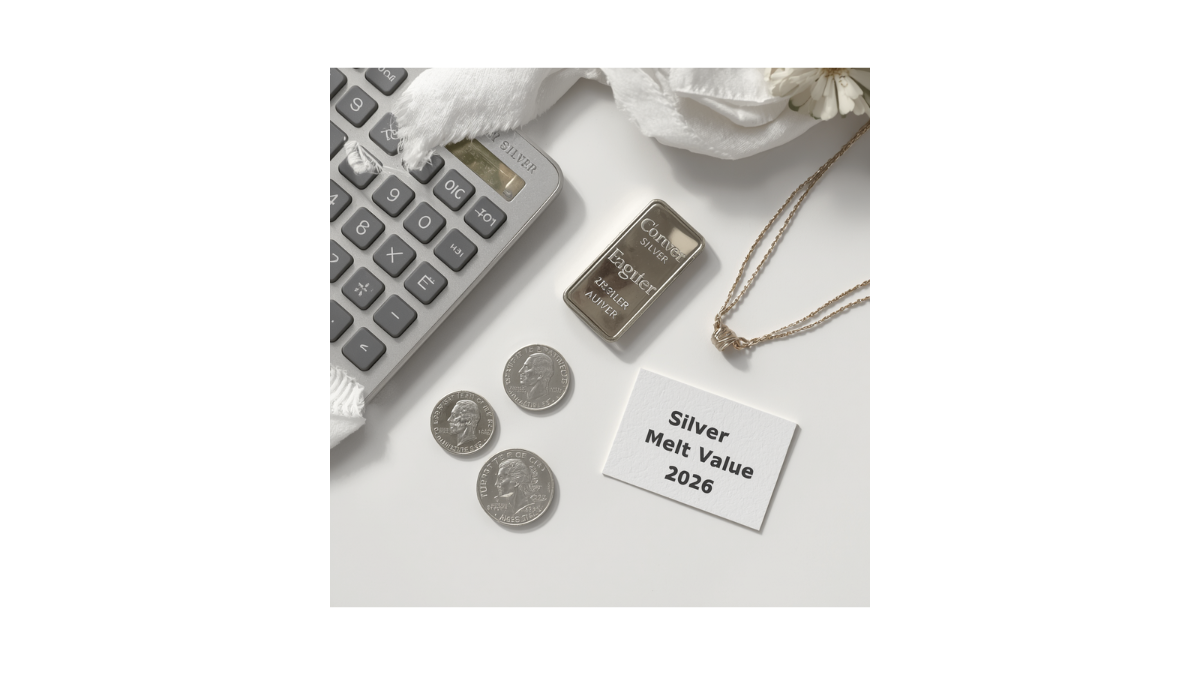
Silver melt value is the estimated value of the silver content inside an item based on its weight, purity, and the current silver price. It does not automatically include collector value, dealer premiums, brand recognition, or resale demand.
This guide explains silver melt value in simple beginner terms, how it is calculated, why it is different from resale price, and what to check before buying or selling silver in 2026.
Quick answer: Silver melt value is the value of the silver metal inside an item. To estimate it, you need the item’s silver weight, purity, and current silver price. Melt value is useful, but it is not always the same as what a dealer, coin shop, collector, or online buyer will pay.
Important: This article is for educational purposes only and is not financial advice or a professional appraisal. Silver prices move, dealer offers vary, and collectible coins may be worth more than melt value. For rare, graded, inherited, or high-value silver, consider professional verification before selling.
What Is Silver Melt Value?
Silver melt value is the estimated value of the silver content inside an item. It is called “melt value” because it focuses on the metal itself, not the design, brand, rarity, age, or collectibility of the item.
For example, a plain silver round and a collectible silver coin may contain the same amount of silver. Their melt value could be similar, but their market prices may be very different if one has collector demand.
Melt value is especially useful when looking at:
- Silver bullion coins
- Silver bars
- Silver rounds
- Junk silver or old circulated coins
- Sterling silver jewelry
- Silver flatware
- Scrap silver
- Damaged or common silver items
If you are trying to understand why some coins sell above their silver content, read our guide on Silver Bullion vs Numismatic Coins.
Why Melt Value Matters for Beginners
Melt value gives beginners a basic starting point. It helps you understand the metal value before you think about premiums, resale demand, dealer spreads, or collector appeal.
This matters because the price you see online is not always the same as what your silver is worth in a real transaction. A dealer may sell silver above spot but buy it back below retail price. A collectible coin may sell far above melt value, while a common silver item may trade closer to melt.
Knowing melt value can help you:
- Avoid selling valuable silver too cheaply
- Compare dealer offers more confidently
- Understand whether a coin is priced mostly for silver or collectibility
- Spot unrealistic claims from sellers
- Separate metal value from emotional or collector value
Beginner warning: Melt value is helpful, but it is not a guaranteed sale price. Real-world offers can be higher or lower depending on the item, buyer, condition, demand, and dealer spread.
How to Calculate Silver Melt Value
The basic melt value formula is simple:
In plain English, you are estimating how much pure silver is inside the item, then multiplying that amount by the current silver price.
To estimate melt value, you need three things:
- Weight: How much the item weighs
- Purity: How much of that weight is actually silver
- Silver price: The current market price of silver
For bullion coins and bars, this is often straightforward because the weight and purity are usually marked clearly. For jewelry, flatware, or old coins, it may take more research.
Example: 1 oz Silver Bullion Coin
A common 1 oz silver bullion coin usually contains one troy ounce of silver. If the silver spot price were $30 per troy ounce, the melt value would be about $30.
That does not mean the coin will sell for exactly $30. A dealer may sell it above melt because of premiums, demand, and business costs. A dealer may buy it below retail price because they need room to resell it.
That is why beginners should understand both melt value and premiums. For a deeper explanation, read Silver Spot Price vs Premium.
Melt Value vs Spot Price
Silver spot price is the current market price for silver, usually quoted per troy ounce. Melt value uses that price to estimate the value of the silver inside a specific item.
So the difference is:
- Spot price is the quoted market price for silver.
- Melt value is the estimated silver value inside your item.
If you have one full troy ounce of pure silver, the melt value is close to the spot price. If you have sterling silver, an alloy, or a partial silver coin, the melt value must be adjusted for purity and weight.
Melt Value vs Resale Price
This is where many beginners get confused. Melt value and resale price are related, but they are not always the same.
Melt value estimates the metal content. Resale price is what a real buyer is willing to pay.
Resale price can be affected by:
- Dealer buyback policies
- Local market demand
- Product recognition
- Condition
- Brand or mint reputation
- Collector value
- Shipping and selling fees
- Whether the item is easy to authenticate
If you are planning to sell silver soon, read our guide on Where to Sell Silver in 2026.
Simple beginner rule: Use melt value as your starting point, not your final answer. Then compare real offers from reputable buyers before making a decision.
Common Silver Purity Levels
Silver items are not always pure silver. Many are alloys, meaning silver is mixed with other metals for strength or durability.
Here are some common silver purity levels beginners may see:
| Marking or Type | Approximate Silver Purity | Beginner Note |
|---|---|---|
| .999 silver | 99.9% silver | Common for many bullion coins, bars, and rounds. |
| .925 sterling silver | 92.5% silver | Common for jewelry, flatware, and decorative items. |
| .900 coin silver | 90% silver | Often seen in older U.S. silver coins before modern clad coinage. |
| .800 silver | 80% silver | May appear in some international silver coins or items. |
| Silver plated | Thin silver layer only | Usually has very little melt value compared with solid silver. |
If you are unsure whether an item is real silver or silver plated, read How to Tell If Silver Is Real.
Why Sterling Silver Melt Value Is Different
Sterling silver is not pure silver. It is usually 92.5% silver and 7.5% other metals. That means a 100 gram sterling silver item does not contain 100 grams of pure silver.
To estimate the silver content, you would multiply the total weight by 0.925.
For example, a 100 gram sterling silver item contains about 92.5 grams of pure silver before any adjustments for stones, handles, non-silver parts, or weighing errors.
This is why beginners should be careful with silver jewelry and flatware. Some items include non-silver parts, weighted handles, stones, glue, steel blades, or other materials that can reduce the actual silver value.
Silver Coins: Melt Value Can Be Tricky
Silver coins can be easy or complicated depending on the coin.
A modern 1 oz silver bullion coin is usually easy to understand because the weight and purity are often clearly stated. Older silver coins may require more research because silver content depends on the country, year, denomination, and composition.
Some coins may be worth close to melt value. Others may be worth more because of collector demand. That is why melt value is only one part of the picture.
If you are still comparing silver product types, you may also want to read Silver Coins vs Silver Bars.
Silver Bars and Rounds: Usually Easier to Estimate
Silver bars and rounds are usually easier for beginners to estimate because they often show weight and purity directly on the product.
For example, a silver bar may say “1 troy ounce .999 fine silver.” That gives you two important pieces of information: the weight and the purity.
Still, beginners should buy from reputable dealers and check for signs of fake silver. Weight, dimensions, markings, magnet response, and seller reputation all matter.
Jewelry, Flatware, and Scrap Silver
Jewelry, flatware, and scrap silver can be more complicated than bullion because they may include mixed materials. A sterling silver necklace may include stones, clasps, or non-silver parts. A flatware knife may have a weighted handle. A decorative item may be silver plated instead of solid silver.
For these items, melt value may require more careful weighing and testing. Buyers may also discount the price because processing scrap silver takes work.
Beginners should not assume every “silver-looking” item has strong melt value. Always check markings and, when needed, get testing or appraisal help.
Why Dealers May Pay Less Than Melt Value
It can be frustrating to calculate melt value and then receive a lower offer from a dealer. But this is common.
Dealers may pay below melt value because they need to account for:
- Business profit margin
- Testing and authentication
- Refining or processing costs
- Market risk while prices move
- Inventory costs
- Resale uncertainty
- Condition or product demand
This does not mean every lower offer is unfair. But it does mean you should compare more than one buyer, especially if you are selling a larger amount of silver.
When Silver May Be Worth More Than Melt Value
Some silver items are worth more than melt value. This is common when the item has strong resale demand, brand recognition, collectible appeal, or historical value.
Silver may sell above melt value if it is:
- A popular government-minted bullion coin
- A recognized bar from a trusted mint
- A rare or collectible coin
- A graded numismatic coin
- A desirable vintage silver item
- A complete set with collector demand
- A piece with artistic or antique value
This is why beginners should avoid rushing to sell older coins or inherited silver without checking whether there is collector demand.
When Silver May Be Worth Close to Melt Value
Other silver items may trade closer to melt value, especially if they have little collector demand or require refining.
This can include:
- Damaged sterling jewelry
- Common scrap silver
- Worn silver coins with no rare date
- Broken flatware pieces
- Silver items with unclear markings
- Generic bullion with lower demand
Even then, it is worth comparing offers. One buyer may treat an item as scrap, while another may see resale value.
Beginner Checklist Before Selling Silver
Before selling silver based on melt value, use this checklist:
- Check the current silver price.
- Identify the item type: coin, bar, round, jewelry, flatware, or scrap.
- Check markings for purity, such as .999, .925, sterling, or coin silver.
- Weigh the item carefully.
- Adjust for purity.
- Look up whether the item has collector value.
- Compare more than one buyer.
- Ask about fees, testing, or refining deductions.
- Do not accept pressure-based offers.
- Keep records of the transaction.
If you are comparing buyers, our guide to Where to Sell Silver in 2026 can help you think through your options.
Understanding melt value can also help you spot questionable pricing. For more beginner protection tips, read Silver Dealer Red Flags.
Common Beginner Mistakes
1. Thinking melt value is the guaranteed sale price
Melt value is an estimate of metal content. It is not a guaranteed offer. Real buyers may pay more or less depending on the item and market conditions.
2. Forgetting purity
A sterling silver item is not 100% silver. A silver plated item may have very little silver content. Always check purity before estimating value.
3. Ignoring collector value
Some coins and older items may be worth more than melt value. Do not treat every silver item as scrap without checking first.
4. Not comparing offers
One dealer’s offer may not represent the entire market. Comparing several reputable buyers can help you avoid accepting too little.
5. Selling during pressure or panic
Do not let fear, urgency, or a pushy buyer make the decision for you. Silver is valuable enough to slow down and compare your options.
FAQs About Silver Melt Value
What does silver melt value mean?
Silver melt value is the estimated value of the silver metal inside an item. It is based on weight, purity, and the current silver price.
Is melt value the same as spot price?
No. Spot price is the quoted market price of silver per troy ounce. Melt value applies that price to the actual silver content inside a specific item.
Is melt value the same as resale value?
Not always. Resale value depends on what a buyer is willing to pay. Some silver sells below melt value, while collectible or high-demand items may sell above melt value.
How do I calculate sterling silver melt value?
For sterling silver, multiply the item’s weight by 0.925 to estimate pure silver content. Then multiply that silver content by the current silver price, adjusting units as needed.
Does silver plated flatware have melt value?
Silver plated items usually contain only a thin layer of silver, so they often have much less melt value than solid sterling silver. Some buyers may not purchase plated items for melt value at all.
Why did a dealer offer less than melt value?
Dealers may offer less than melt value because they need to cover testing, refining, market risk, business costs, and resale margin.
Can silver coins be worth more than melt value?
Yes. Some coins may be worth more because of demand, rarity, condition, grading, historical interest, or recognition. That extra value is separate from the silver content.
Should I sell silver for melt value?
It depends on the item. Common scrap silver may sell close to melt value, but rare coins, collectible items, or recognized bullion may deserve a higher offer. Compare buyers before selling.
Final Thoughts
Silver melt value is one of the most useful beginner concepts to understand. It helps you estimate the metal value inside coins, bars, rounds, jewelry, flatware, and scrap silver.
But melt value is only a starting point. It does not automatically include collector value, dealer premiums, brand recognition, condition, or resale demand.
If you are buying silver, melt value can help you understand what part of the price is actual metal. If you are selling silver, it can help you compare offers more confidently.
The key is simple: know the silver content first, then look at the bigger picture. Check purity, weight, current silver price, product type, and buyer demand before making a decision.
Bottom line: Silver melt value tells you what the silver inside an item is worth. It does not always tell you what the item will sell for. Use it as a smart starting point, then compare real-world offers before buying or selling.
Disclaimer: This article is for educational purposes only and is not financial advice, tax advice, or a professional appraisal. Precious metals can fluctuate in value. For rare, graded, inherited, or high-value silver items, consider professional verification before buying or selling.