
Silver IRA vs Physical Silver: Which Is Better for Investors in 2026?
Silver can fit into an investor’s plan in more than one way. Some people want direct ownership of coins and bars. Others want silver exposure inside a retirement account. The right choice depends on your goals, fees, storage comfort, tax situation, and need for access.
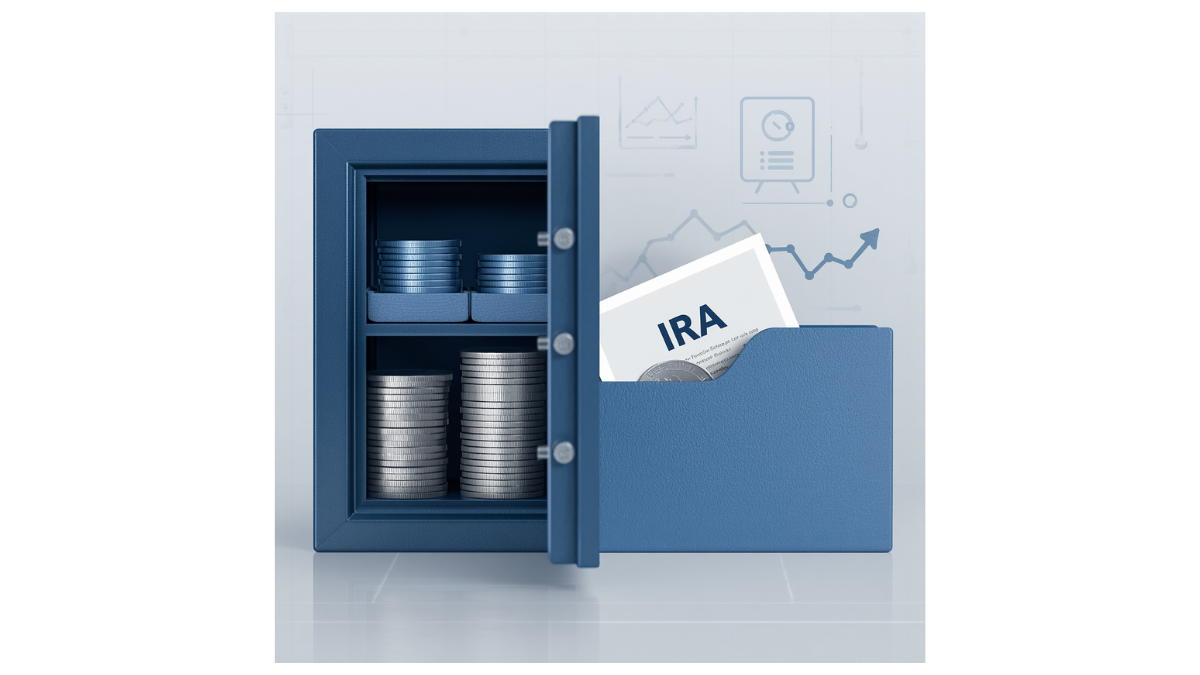
Silver is not just one investment choice. It can be held directly as physical silver, such as coins and bars, or it can be held inside certain retirement-account structures through a self-directed precious metals IRA.
That difference matters. Physical silver gives you direct control and easier personal access. A Silver IRA gives you retirement-account structure, but it also adds rules, custodians, approved storage, possible fees, and distribution requirements.
This upgraded guide breaks down Silver IRA vs physical silver in plain English, including the pros, cons, costs, storage rules, tax considerations, beginner mistakes, and how each option may fit into a broader silver investing strategy.
Quick Navigation
Quick Answer: Silver IRA vs Physical Silver
For most investors, the simplest way to understand the difference is this: physical silver is about direct ownership, while a Silver IRA is about retirement-account exposure.
Physical Silver
Best for buyers who want direct ownership, personal control, and easier access to coins, bars, or rounds.
Silver IRA
Best for long-term retirement investors who want eligible silver inside an IRA structure with custodian-managed storage.
Hybrid Approach
Some investors use both: physical silver for flexibility and a Silver IRA for retirement diversification.
What Is Physical Silver?
Physical silver means buying actual silver products, such as coins, bars, or rounds, and owning them directly. You may store them at home, in a bank safe deposit box, in a private vault, or through another storage method you choose.
This is the most straightforward way to buy silver. You choose the dealer, choose the product, pay the premium over the spot price, and decide how you want to store it.
Direct Ownership
You personally own the silver. You can hold it, store it, move it, gift it, or sell it when you choose.
No IRA Custodian
You do not need a retirement custodian to buy ordinary physical silver for personal ownership.
Flexible Buying
You can buy a few ounces, larger bars, or a mix of products based on your budget and goals.
Physical silver can be a strong fit for investors who want direct control. But buyers still need to understand premiums, dealer spreads, shipping, storage, and resale value. For a deeper breakdown, read our guide on silver spot price vs premium.
What Is a Silver IRA?
A Silver IRA is usually a self-directed individual retirement account that allows certain eligible silver products to be held inside an IRA structure. Instead of personally keeping the silver at home, the metals are typically held through an approved custodian or trustee arrangement.
A Silver IRA is not the same as buying silver coins and putting them in your home safe. IRA-owned metals must follow specific rules, including eligible metal standards, custody requirements, storage rules, and distribution rules.
Retirement Account
The silver is held inside an IRA structure, usually through a self-directed IRA provider.
Custodian Managed
The account requires a custodian or trustee. The investor does not simply keep IRA silver at home.
Rule-Based
Eligible metals must meet specific standards, and withdrawals must follow IRA distribution rules.
Silver IRA vs Physical Silver Comparison Table
| Factor | Physical Silver | Silver IRA |
|---|---|---|
| Ownership Style | Direct personal ownership of coins, bars, or rounds. | Held inside a retirement-account structure. |
| Storage | You choose home storage, bank storage, private vaulting, or another option. | Held through an approved custodian or trustee storage arrangement. |
| Access | Easier personal access because you directly control the metal. | Access is subject to IRA distribution rules. |
| Fees | Dealer premiums, shipping, insurance, spreads, and optional storage costs. | Setup fees, custodian fees, storage fees, transaction fees, and dealer spreads may apply. |
| Tax Treatment | Held outside an IRA, with taxes depending on your situation and sale outcome. | Depends on whether the IRA is traditional or Roth and whether withdrawals are qualified. |
| Liquidity | You can sell directly to a dealer, local shop, or private buyer, depending on the product. | Liquidation usually goes through the IRA custodian or provider process. |
| Best For | Control, flexibility, direct ownership, and personal silver stacking. | Long-term retirement diversification and IRA-based precious metals exposure. |
Pros and Cons of Physical Silver
Physical silver is simple to understand, but it comes with responsibilities. You are in control, which can be a benefit or a burden depending on your personality, storage setup, and security habits.
Pros
- Direct ownership of coins, bars, or rounds
- No IRA custodian required
- No retirement-account contribution limits
- Flexible buying and selling
- Easier access in a personal emergency
- Can start small with a few ounces
Cons
- You are responsible for storage and security
- Home storage can create theft or loss risk
- Premiums and dealer spreads can reduce returns
- No built-in IRA tax advantages
- Insurance and vaulting may add costs
- Large silver positions can become heavy and bulky
Best for: Buyers who want direct control, personal ownership, flexibility, and silver outside of a retirement account.
Pros and Cons of a Silver IRA
A Silver IRA can be useful for retirement investors, but it is more complex than buying coins or bars directly. You need to understand the account setup, custodian role, storage rules, eligible products, and fees before opening one.
Pros
- Can hold eligible silver inside a retirement-account structure
- May offer tax-deferred or tax-free treatment depending on the IRA type
- Can diversify retirement savings beyond stocks and bonds
- Professional custody and storage arrangement
- Potential fit for long-term retirement planning
Cons
- Setup, custodian, transaction, and storage fees may apply
- You generally cannot store IRA-owned silver at home
- Early distributions may trigger taxes or penalties
- Not every silver product is IRA eligible
- Less flexible than personally owned silver
Best for: Investors who want silver exposure as part of a long-term retirement strategy and are comfortable with custodian-managed storage.
Key Difference: Control vs Retirement Structure
The biggest difference between physical silver and a Silver IRA is control. With physical silver, you decide where to buy it, where to store it, when to sell it, and how much to buy.
With a Silver IRA, the silver is part of a retirement account. That can create potential tax advantages, but it also adds rules, fees, storage requirements, paperwork, and less immediate access.
Storage: Home Safe vs IRA Depository
Storage is one of the most important differences between the two options.
Physical Silver Storage
If you buy physical silver personally, you choose the storage method. Some buyers use a home safe. Others use a bank safe deposit box, private vault, or insured depository.
The advantage is flexibility. The drawback is responsibility. If the silver is lost, stolen, damaged, or uninsured, the risk is yours.
Silver IRA Storage
With a Silver IRA, storage is not casual. IRA-owned silver generally must be held through a qualified custodian or trustee arrangement. Taking personal possession of IRA metals may create distribution issues and possible tax consequences.
This is why home-storage Silver IRA claims should be treated carefully. If a company promotes an arrangement that sounds too simple, slow down and verify the rules with a qualified professional.
Fees: Which Option Costs More?
Both options have costs, but the types of costs are different.
| Cost Type | Physical Silver | Silver IRA |
|---|---|---|
| Premiums Over Spot | Yes. Physical products usually sell above spot price. | Yes. IRA-eligible silver may still include dealer premiums. |
| Shipping and Insurance | Often applies, depending on dealer and order size. | May apply depending on dealer, custodian, and storage process. |
| Storage | Optional, depending on your method. | Usually required through approved storage. |
| Custodian Fees | No IRA custodian required. | Usually applies. |
| Setup Fees | Usually no account setup fee. | May apply. |
| Transaction Fees | Dealer spread and payment fees may apply. | Dealer, custodian, or account transaction fees may apply. |
For smaller investors, physical silver may feel simpler and cheaper because there are no annual IRA account fees. For retirement-focused investors with larger balances, a Silver IRA may be worth comparing if the goal is long-term account diversification.
Tax Considerations and IRA Limits
Tax treatment is one reason some investors consider a Silver IRA. A traditional IRA may offer tax-deferred growth, while a Roth IRA may offer tax-free qualified withdrawals if all rules are met.
Physical silver held outside an IRA does not receive the same retirement-account structure. If you sell at a gain, taxes may apply based on your situation, the holding period, and the type of asset treatment.
For 2026, the IRS lists the IRA contribution limit as $7,500, with a $1,100 catch-up contribution for individuals age 50 or older. That means eligible contributors age 50+ may be able to contribute up to $8,600, depending on their situation. Rollovers and transfers follow different rules, so confirm your own situation before moving retirement funds.
Contribution Limits and Access
A major difference is how much you can add and how easily you can access it.
With physical silver, there are no IRA contribution limits. You can buy as much or as little as you want, based on your budget and dealer availability.
With a Silver IRA, IRA contribution limits and distribution rules apply unless you are using rollovers or transfers from existing retirement accounts. Access is also more restricted because IRA assets are part of a retirement structure.
Why Access Matters
Physical silver may be easier to access in an emergency. Silver inside an IRA is usually better viewed as long-term retirement exposure, not quick-access savings.
Which Is Better During Inflation?
Both physical silver and a Silver IRA can provide exposure to silver during inflationary periods. The difference is access and structure.
Physical silver may appeal to people who want a tangible asset outside the financial system. A Silver IRA may appeal to retirement investors who want silver exposure inside a longer-term account.
Neither option guarantees profit. Silver prices can move sharply up or down based on interest rates, industrial demand, investor sentiment, currency strength, and global market conditions. For broader market context, read our silver price prediction for 2026.
Which Is Better for Beginners?
For many beginners, physical silver is easier to understand. You can start small, compare dealers, buy a few coins or rounds, and learn how premiums work before committing to a larger strategy.
A Silver IRA may be better for someone who already understands retirement accounts, has a long-term investment horizon, and wants to add precious metals to an existing retirement plan.
Beginner Buyer
Physical silver may be easier because you can start with a small purchase and learn the market.
Retirement Investor
A Silver IRA may fit better if your goal is long-term retirement diversification.
Hybrid Investor
Some investors use both: personal silver for flexibility and IRA silver for retirement exposure.
For a broader beginner-friendly look at silver as an asset, see our guide: Is Silver a Good Investment in 2026?
Can You Own Both?
Yes. Many investors do not see this as an either-or decision. They may hold some physical silver directly while also using a Silver IRA for retirement diversification.
A hybrid approach may look like this:
- Physical silver: For personal control, liquidity, and direct ownership.
- Silver IRA: For long-term retirement exposure and account-based diversification.
The exact balance depends on your age, risk tolerance, retirement plan, storage comfort, tax situation, and need for liquidity.
Common Mistakes to Avoid
Ignoring Fees
IRA fees, storage fees, dealer spreads, and premiums can affect your total return.
Buying the Wrong Product
Not all silver products are suitable for every goal, and not all products are IRA eligible.
Trusting Home Storage Claims
Be careful with claims that suggest IRA-owned metals can simply be kept at home.
Skipping Dealer Comparisons
Compare premiums, shipping, buyback policies, and reputation before buying.
Overconcentrating
Silver can diversify a portfolio, but putting too much into one asset can increase risk.
Forgetting Liquidity
Physical silver is usually easier to access than IRA-held silver, but selling still requires a buyer.
Final Verdict: Silver IRA vs Physical Silver
If you want direct ownership, personal control, and easier access, physical silver is usually the simpler choice. It gives you the ability to buy coins, bars, or rounds directly and decide how to store them.
If your focus is long-term retirement planning and you want eligible silver inside a tax-advantaged account structure, a Silver IRA may be worth exploring. Just understand the fees, custodian rules, storage requirements, product restrictions, and distribution rules before opening one.
For many investors, the best answer may be a balanced approach: physical silver for flexibility and a Silver IRA for retirement diversification. The key is to know why you are buying silver before choosing the structure.
FAQs About Silver IRA vs Physical Silver
Is a Silver IRA better than physical silver?
A Silver IRA may be better for retirement-focused investors, while physical silver may be better for buyers who want direct ownership and easier access. The better choice depends on your goal.
Can I store Silver IRA metals at home?
IRA-owned precious metals generally must be held through a qualified custodian or trustee arrangement. Taking personal possession may cause the metals to be treated as a distribution, so home storage claims should be reviewed carefully with a qualified professional.
Is physical silver easier to sell?
Physical silver may be easier to access and sell directly, but you still need a buyer or dealer. Coins and smaller bars are often more flexible than very large bars.
Does a Silver IRA have fees?
Yes. A Silver IRA may include setup fees, custodian fees, storage fees, transaction fees, and dealer spreads. Always compare the total cost before opening an account.
Can I buy any silver for a Silver IRA?
No. Not every silver coin, bar, or collectible product is eligible for IRA ownership. Eligible metals must meet specific standards and custody rules.
Is physical silver good for beginners?
Physical silver can be beginner-friendly because you can start small, compare dealers, and learn how premiums work. Beginners should still plan for secure storage and avoid overpaying above spot price.
Can I have both physical silver and a Silver IRA?
Yes. Some investors hold physical silver for control and liquidity while using a Silver IRA for retirement-focused diversification.
Which is better for long-term retirement planning?
A Silver IRA may be better suited for long-term retirement planning because it is held inside an IRA structure. Physical silver may be better for direct ownership outside retirement accounts.
Research Notes and Sources
This article uses publicly available IRS retirement-account guidance and precious metals IRA rules, along with AiBullionEdge silver investing research. Always confirm current IRA rules, tax treatment, and custodian requirements before making retirement-account decisions.
Next Reads
If you are still deciding whether silver belongs in your plan, start with our broader beginner-friendly guide first.
Read next: Is Silver a Good Investment in 2026?
For market direction, see: Silver Price Prediction 2026: What Could Push Silver Higher or Lower?
Before buying physical silver, read: Silver Spot Price vs Premium — What Buyers Really Pay